Botanical Overview
Cork Oak (Quercus suber) is a species in the Fagaceae family. The beech family (Fagaceae) includes trees with simple, alternate leaves and inconspicuous flowers arranged in catkins. The fruits are nuts partially enclosed in a woody cupule (acorns in oaks). This family dominates many temperate and subtropical forests and provides tannins with astringent medicinal properties. Although comprehensive ethnobotanical records are limited, phytochemical studies have identified 20 compounds in this species, suggesting potential medicinal value.
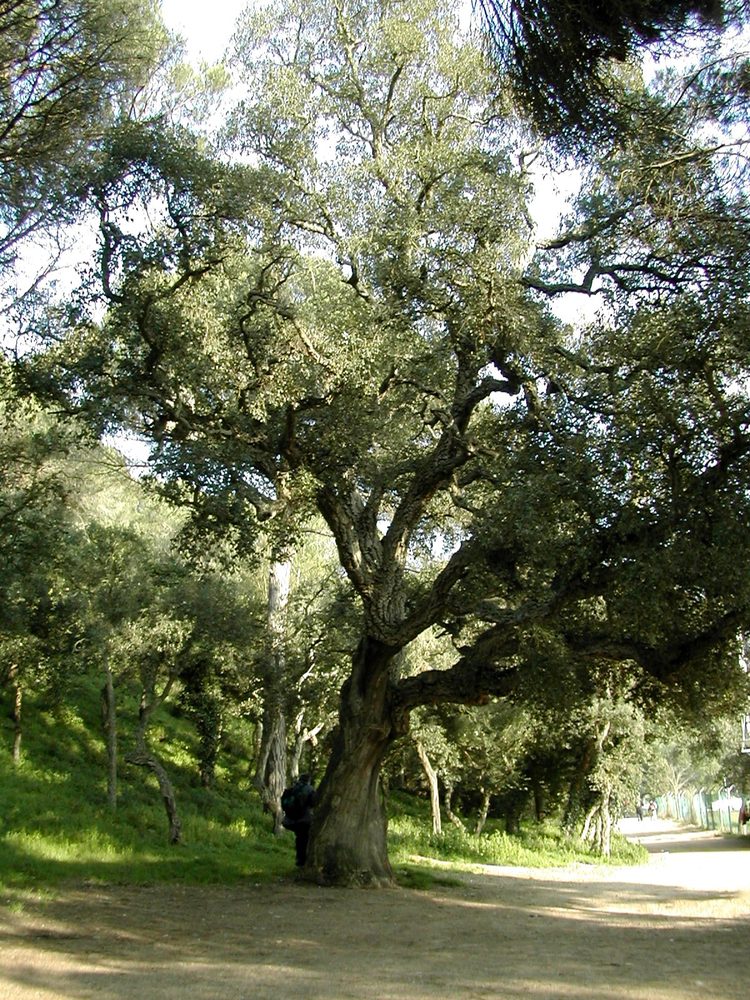
General Description
Cerris. It is the primary source of cork for wine bottle stoppers and other uses, such as cork flooring and as the cores of cricket balls. It is native to southwest Europe and northwest Africa. In the Mediterranean basin the tree is an ancient species with fossil remnants dating back to the Tertiary period. It can survive for as long as two centuries. Typically, once it reaches 25 years old, its thick bark can be harvested for cork every 9 to 12 years without causing harm to the tree. It endures drought and makes little demand on the soil quality and is regarded as a defence against desertification. Cork oak woodlands are home to a multitude of animal and plant species. Since cork for sealing bottles is increasingly being displaced by other materials, these forests are at risk as part of the cultural landscape and as a result animal species such as the Iberian lynx and imperial eagles are threatened with extinction.
Family Context
The Fagaceae family is widely distributed in the Northern Hemisphere. Notable medicinal members include:
- European Chestnut — 27 documented uses
- White Oak — 15 documented uses
- English Oak — 15 documented uses
- Black Oak — 9 documented uses
Geographic Distribution
Cork Oak has been recorded in 10 countries and territories worldwide, including Algeria, Spain, France, United Kingdom, Italy, and others.
Active Compounds
Phytochemical research has identified 20 compounds in this species, including a diverse array of phytochemical classes (see the Complete Chemical Inventory below for the full list).
The identified compounds include the following categories:
- Tannin: astringent compounds that tighten tissues and resist infection
Research Status
Although this species has documented phytochemical constituents, its ethnobotanical and clinical documentation remains incomplete. Additional phytochemical investigation could identify novel bioactive compounds in this plant.