Botanical Overview
Northern Red Oak (Quercus rubra) belongs to the Fagaceae family. Limited but reliable traditional records indicate this plant has recognized medicinal applications in one or more healing traditions. The beech family (Fagaceae) includes trees with simple, alternate leaves and inconspicuous flowers arranged in catkins. The fruits are nuts partially enclosed in a woody cupule (acorns in oaks). This family dominates many temperate and subtropical forests and provides tannins with astringent medicinal properties.
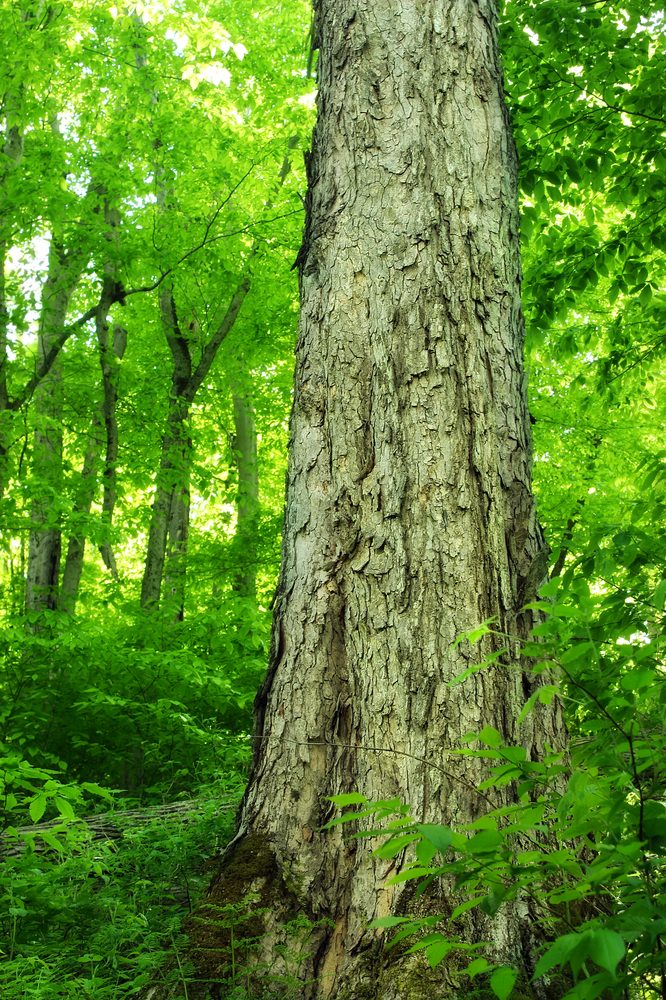
General Description
It is a native of North America, in the eastern and central United States and southeast and south-central Canada. It has been introduced to small areas in Western Europe, where it can frequently be seen cultivated in gardens and parks. It prefers good soil that is slightly acidic. Often simply called red oak, northern red oak is so named to distinguish it from southern red oak (Q. falcata), also known as the Spanish oak.
Family Context
The Fagaceae family is widely distributed in the Northern Hemisphere. Notable medicinal members include:
- European Chestnut — 27 documented uses
- White Oak — 15 documented uses
- English Oak — 15 documented uses
- Black Oak — 9 documented uses
Geographic Distribution
Northern Red Oak has been recorded in 10 countries and territories worldwide, including Belgium, Canada, Germany, Denmark, France, and others.
Traditional Uses
Northern Red Oak has been traditionally used for immune system support.
Immune system support.
- Cancer
Immune support involves taking the herb as a decoction or tincture over extended periods. The active compounds stimulate immune cell activity and provide antimicrobial protection.
Active Compounds
Phytochemical research has identified 30 compounds in this species, including a diverse array of phytochemical classes (see the Complete Chemical Inventory below for the full list).
The identified compounds include the following categories:
- Phenolic: antioxidant compounds that neutralize free radicals
- Alkaloid: nitrogenous compounds with diverse pharmacological activities
- Tannin: astringent compounds that tighten tissues and resist infection