Botanical Overview
Willow Oak (Quercus phellos) is a species in the Fagaceae family. The beech family (Fagaceae) includes trees with simple, alternate leaves and inconspicuous flowers arranged in catkins. The fruits are nuts partially enclosed in a woody cupule (acorns in oaks). This family dominates many temperate and subtropical forests and provides tannins with astringent medicinal properties. Although comprehensive ethnobotanical records are limited, phytochemical studies have identified 22 compounds in this species, suggesting potential medicinal value.
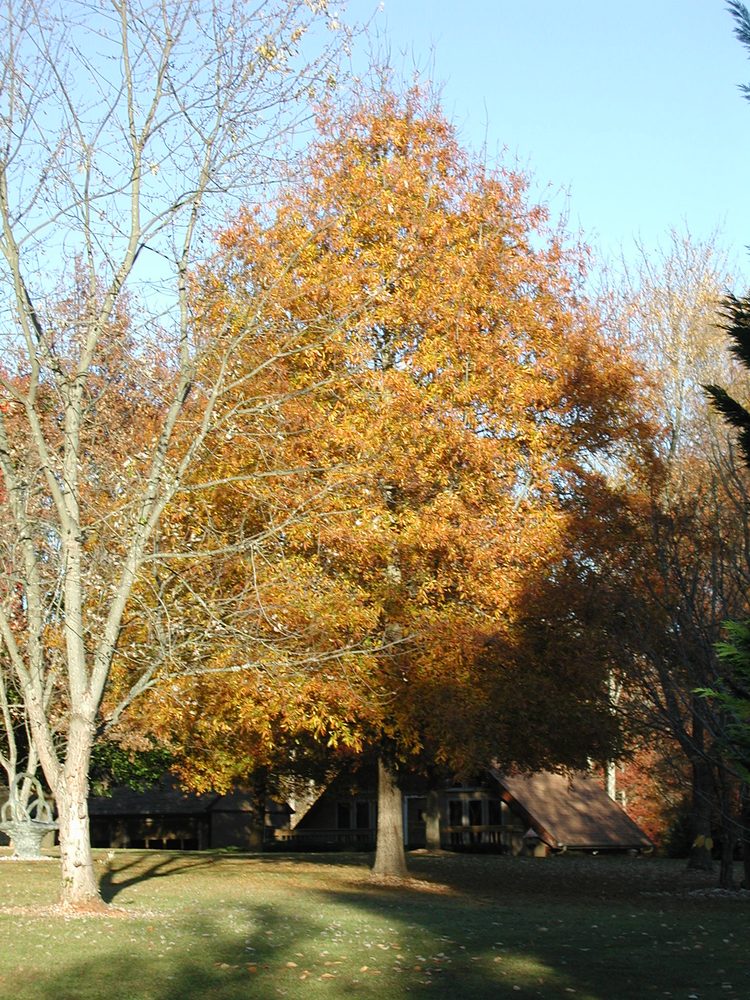
General Description
It is native to the south-central and eastern United States.
Family Context
The Fagaceae family is widely distributed in the Northern Hemisphere. Notable medicinal members include:
- European Chestnut — 27 documented uses
- White Oak — 15 documented uses
- English Oak — 15 documented uses
- Black Oak — 9 documented uses
Geographic Distribution
Willow Oak has been recorded in 10 countries and territories worldwide, including Belgium, Germany, Spain, France, United Kingdom, and others.
Active Compounds
Phytochemical research has identified 22 compounds in this species, including a diverse array of phytochemical classes (see the Complete Chemical Inventory below for the full list).
The identified compounds include the following categories:
- Alkaloid: nitrogenous compounds with diverse pharmacological activities
Research Status
Although this species has documented phytochemical constituents, its ethnobotanical and clinical documentation remains incomplete. Systematic pharmacological studies are needed to validate the traditional uses attributed to this species.