Botanical Overview
White Oak (Quercus alba) is a flowering plant in the Fagaceae family. The traditional uses of this species reflect its genuine medicinal value, validated by generations of practical experience. The beech family (Fagaceae) includes trees with simple, alternate leaves and inconspicuous flowers arranged in catkins. The fruits are nuts partially enclosed in a woody cupule (acorns in oaks). This family dominates many temperate and subtropical forests and provides tannins with astringent medicinal properties.
General Description
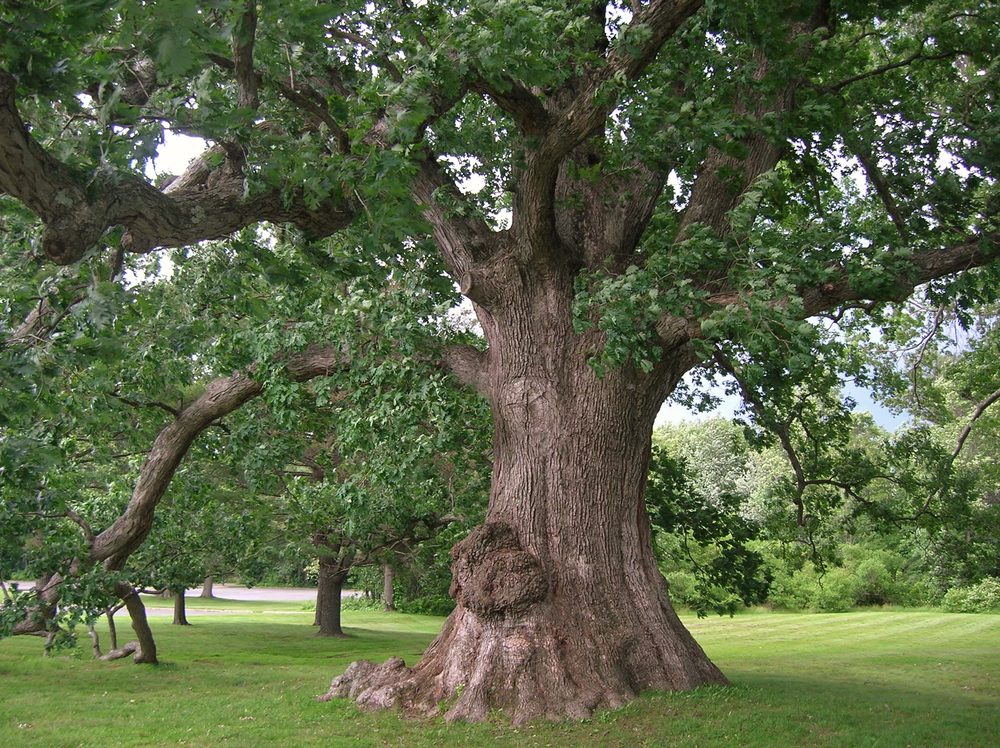
It is a long-lived oak, native to eastern and central North America and found from Minnesota, Ontario, Quebec, and southern Maine south as far as northern Florida and eastern Texas. Specimens have been documented to be over 450 years old. Although called a white oak, it is very unusual to find an individual specimen with white bark; the usual color is a light gray. The name comes from the colour of the undersides of the leaves. In the forest it can reach a magnificent height and in the open it develops into a massive broad-topped tree with large branches striking out at wide angles.
Family Context
The Fagaceae family is widely distributed in the Northern Hemisphere. Notable medicinal members include:
- European Chestnut — 27 documented uses
- English Oak — 15 documented uses
- Black Oak — 9 documented uses
- Aleppo Oak — 7 documented uses
Geographic Distribution
White Oak has been recorded in 10 countries and territories worldwide, including Brazil, Canada, Germany, Spain, France, and others.
Traditional Uses
White Oak has been traditionally used for skin and wound care, pain and inflammation, and fever management, among other applications.
Skin and wound care.
- Burn
- Sore
For skin conditions, the fresh or dried plant is applied topically as a poultice, wash, or compress. A strong decoction can be used to clean wounds and sores. The antimicrobial properties help prevent infection while promoting tissue repair.
Pain and inflammation.
- Arthritis
- Rheumatism
For pain and inflammation, preparations are applied both topically as compresses and taken internally. A warm poultice draws blood to the area and promotes healing, while internal preparations address systemic inflammation.
Fever management.
- Fever
Febrifuge preparations are typically administered as hot teas to induce perspiration, which helps the body regulate temperature. The patient is kept warm and encouraged to rest while the herb promotes sweating.
Active Compounds
Phytochemical research has identified 30 compounds in this species, including a diverse array of phytochemical classes (see the Complete Chemical Inventory below for the full list).
The identified compounds include the following categories:
- Phenolic: antioxidant compounds that neutralize free radicals
- Sterol: cholesterol-like compounds with anti-inflammatory properties
- Alkaloid: nitrogenous compounds with diverse pharmacological activities