Botanical Overview
Virginia Mountain Mint (Pycnanthemum virginianum) belongs to the Lamiaceae family. Limited but reliable traditional records indicate this plant has recognized medicinal applications in one or more healing traditions. The mint family (Lamiaceae) includes aromatic herbs and shrubs with square stems, opposite leaves, and two-lipped flowers. Many species produce essential oils in glandular trichomes on their leaves and stems. This family is one of the most important sources of culinary and medicinal herbs worldwide.
General Description
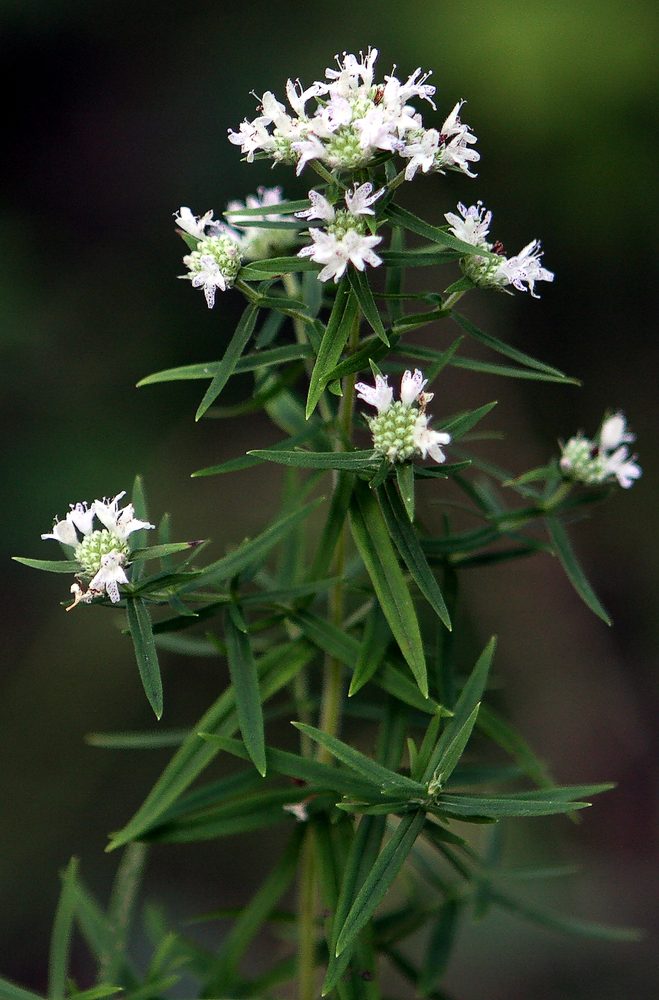
It is a herbaceous plant with narrow, opposite, simple leaves, on wiry, green stems. The flowers are white with purplish spotting, borne in summer. Like most plants in the genus, the foliage has a strong mint fragrance when crushed or disturbed. It is native to the eastern United States and eastern Canada. The flowers are visited by many insects, including honeybees, cuckoo bees, sweat bees, thread-waisted wasps, potter wasps, tachinid flies, wedge-shaped beetles, and pearl crescent butterflies.
Family Context
The Lamiaceae family is large and widely distributed. Notable medicinal members include:
- Basil — 86 documented uses
- Rosemary — 60 documented uses
- Agbo — 54 documented uses
- Sage — 49 documented uses
Geographic Distribution
Virginia Mountain Mint has been recorded in 10 countries and territories worldwide, including Belgium, Belarus, Canada, Germany, Algeria, and others.
Traditional Uses
Virginia Mountain Mint has been traditionally used for nervous system disorders and metabolic and nutritional health.
Nervous system disorders.
- Spasm
Nervous system support involves taking the herb as a warm tea, often in the evening or before bed. The calming compounds interact with neurotransmitter systems to promote relaxation and restful sleep.
Metabolic and nutritional health.
- Diaphoretic
Metabolic applications include consuming the plant as a food, fresh juice, or herbal infusion. Regular use supports the body’s natural metabolic processes and nutritional status.
Active Compounds
Phytochemical research has identified 29 compounds in this species, including a diverse array of phytochemical classes (see the Complete Chemical Inventory below for the full list).
The identified compounds include the following categories:
- Alkaloid: nitrogenous compounds with diverse pharmacological activities