Botanical Overview
Pueraria phaseoloides belongs to the Fabaceae family. While not among the most extensively documented medicinal plants, this species has recorded uses that warrant attention from researchers and practitioners. The legume family (Fabaceae) includes trees, shrubs, and herbs that produce pods (legumes) and form nitrogen-fixing root nodules through symbiosis with bacteria. The flowers are typically pea-shaped with five petals. This large family provides food staples, timber, and numerous medicinal species.
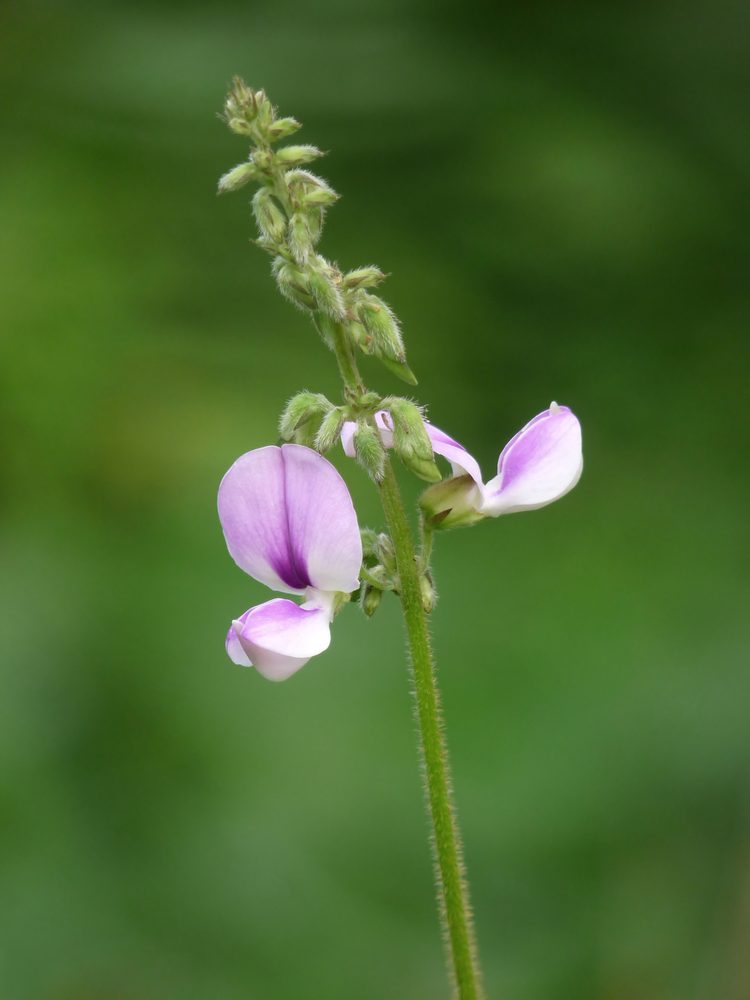
General Description
The only species is Neustanthus phaseoloides, called tropical kudzu. This species is a forage crop and cover crop used in the tropics. It is known as puero in Australia and tropical kudzu in most tropical regions.
Family Context
The Fabaceae family is large and globally distributed. Notable medicinal members include:
- Soybean — 76 documented uses
- Crab’s Eye — 73 documented uses
- Tamarind — 59 documented uses
- Common Indigo — 51 documented uses
Geographic Distribution
Pueraria phaseoloides has been recorded in 10 countries and territories worldwide, including Brazil, China, Colombia, Costa Rica, Indonesia, and others.
Traditional Uses
Pueraria phaseoloides has been traditionally used for skin and wound care.
Skin and wound care.
- Boil
- Sore
For skin conditions, the fresh or dried plant is applied topically as a poultice, wash, or compress. A strong decoction can be used to clean wounds and sores. The antimicrobial properties help prevent infection while promoting tissue repair.
Active Compounds
Phytochemical research has identified 2 compounds in this species: genistein, hydroxygenistein.