Bracken

Also known as: Bracken Fern

Botanical Overview

Bracken (Pteridium aquilinum) is a flowering plant in the Dennstaedtiaceae family. This plant has earned a place in traditional medicine through its consistent therapeutic benefits, recorded across multiple cultures. This species belongs to the Dennstaedtiaceae family, a group of flowering plants.
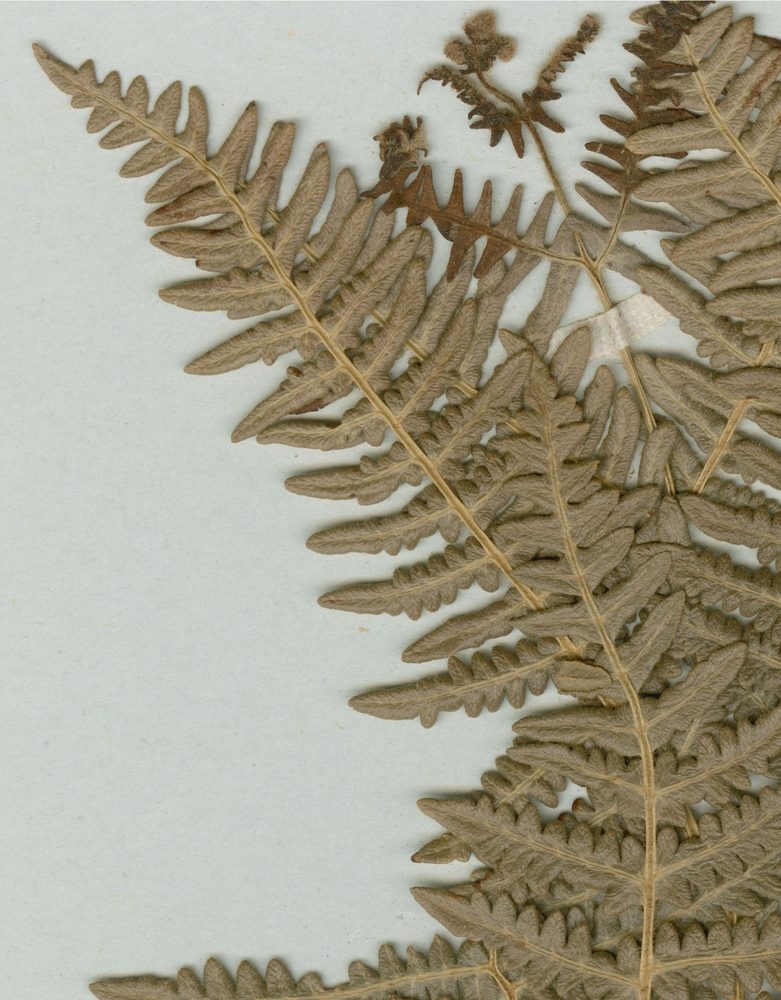
General Description

Originally native to Eurasia and North America, the extreme lightness of its spores has led to it achieving a cosmopolitan distribution.

ⓘ Information
Description adapted from Wikipedia (CC BY-SA 4.0).

Geographic Distribution

Bracken has been recorded in 10 countries and territories worldwide, including Belgium, Canada, Germany, Finland, France, and others.

Traditional Uses

Bracken has been traditionally used for digestive health, skin and wound care, and urinary tract health, among other applications.

Digestive health.

  • Vermifuge
  • Diarrhea

For digestive complaints, the herb is typically prepared as a tea or decoction taken before meals. The bitter compounds stimulate digestive secretions and improve nutrient absorption. Some traditions use the powdered root or leaves in small doses as a stomachic tonic.

Skin and wound care.

  • Wound

For skin conditions, the fresh or dried plant is applied topically as a poultice, wash, or compress. A strong decoction can be used to clean wounds and sores. The antimicrobial properties help prevent infection while promoting tissue repair.

Urinary tract health.

  • Diuretic

Urinary tract applications typically involve drinking the herb as a mild tea, which increases urine production and helps flush the urinary system. It may be combined with other demulcent herbs to soothe irritated tissues.

Active Compounds

Phytochemical research has identified 30 compounds in this species, including a diverse array of phytochemical classes (see the Complete Chemical Inventory below for the full list).

The identified compounds include the following categories:

  • Phenolic: antioxidant compounds that neutralize free radicals
  • Alkaloid: nitrogenous compounds with diverse pharmacological activities
  • Tannin: astringent compounds that tighten tissues and resist infection
ⓘ Information
Information on this page is compiled from Dr. Duke’s Phytochemical and Ethnobotanical Databases (USDA ARS), a public domain resource. Consult a healthcare professional before using any herbal preparation.
⚠ Caution
Traditional records: This plant has documented uses including Poison. Self-medication with herbs carries risks including allergic reactions, drug interactions, and toxicity. Only use under the supervision of a qualified healthcare professional.

Distribution and Conservation

Reported distribution: Belgium, Canada, Germany, Finland, France, United Kingdom, Netherlands, Norway, Sweden, United States.

Complete Use Records

CategoryCultural Context
VermifugeElsewhere, US, US(Amerindian)
PoisonElsewhere, US
DiarrheaElsewhere, US
BactericideElsewhere
BreastUS
CarcinogenicUS
CyanogeneticUS
DiureticUS(Amerindian)
FeverChina
MutagenicUS
PubertyCanada(Salish)
Sclerosis(Spleen)Europe
SedativeChina
SialogogueCanada(Salish)
StomachUS(Amerindian)
TaenifugeElsewhere
WoundElsewhere
GastritisElsewhere
MedicineChina
SpasmUS(Amerindian)
TonicChina
AstringentElsewhere
HypertensionSpain
InflammationElsewhere
IntestineElsewhere

Complete Chemical Inventory

CompoundFormulaMW
2,4,6-TRIMETHYL-3-OXO-5-INDANACETIC-ACID
20-HYDROXYECDYSONEC₂₇H₄₄O₇480.6 Da
5-O-CAFFEOYLSHIKIMIC-ACIDC₁₆H₁₆O₈336.29 Da
ACETYLPTEROSINS
ALPHA-ECDYSONEC₂₇H₄₄O₆464.6 Da
ANEURINASE
AQUILIDE-AC₂₀H₃₀O₈398.4 Da
ARABINOSEC₅H₁₀O₅150.13 Da
ASH
BENZOIC-ACIDC₇H₆O₂122.12 Da
BENZOYLPTEROSINS
BETA-CAROTENEC₄₀H₅₆536.9 Da
CAFFEIC-ACIDC₉H₈O₄180.16 Da
CAOUTCHOUCC₅H₈68.12 Da
CARBOHYDRATES
CATECHOL-TANNIN
CICHORIC-ACIDC₂₂H₁₈O₁₂474.4 Da
CINNAMIC-ACIDC₉H₈O₂148.16 Da
D-CAFFEYL-TARTARIC-ACID
FATC₁₆H₃₂O₂256.42 Da
FERULIC-ACIDC₁₀H₁₀O₄194.18 Da
FIBER
FUCOSEC₆H₁₂O₅164.16 Da
FUMARIC-ACIDC₄H₄O₄116.07 Da
GALACTOSEC₆H₁₂O₆180.16 Da
GALACTURONIC-ACIDC₆H₁₀O₇194.14 Da
GLUCOSEC₆H₁₂O₆180.16 Da
GLUCURONIC-ACIDC₆H₁₀O₇194.14 Da
HCNCHN27.025 Da
IODINEI₂253.8089 Da

Data from PubChem (NIH/NLM, public domain).


References & Further Reading

External Research Links

Data Sources