Botanical Overview
Indian Bread-Root (Psoralea esculenta) is a species in the Fabaceae family. The legume family (Fabaceae) includes trees, shrubs, and herbs that produce pods (legumes) and form nitrogen-fixing root nodules through symbiosis with bacteria. The flowers are typically pea-shaped with five petals. This large family provides food staples, timber, and numerous medicinal species. Although comprehensive ethnobotanical records are limited, phytochemical studies have identified 30 compounds in this species, suggesting potential medicinal value.
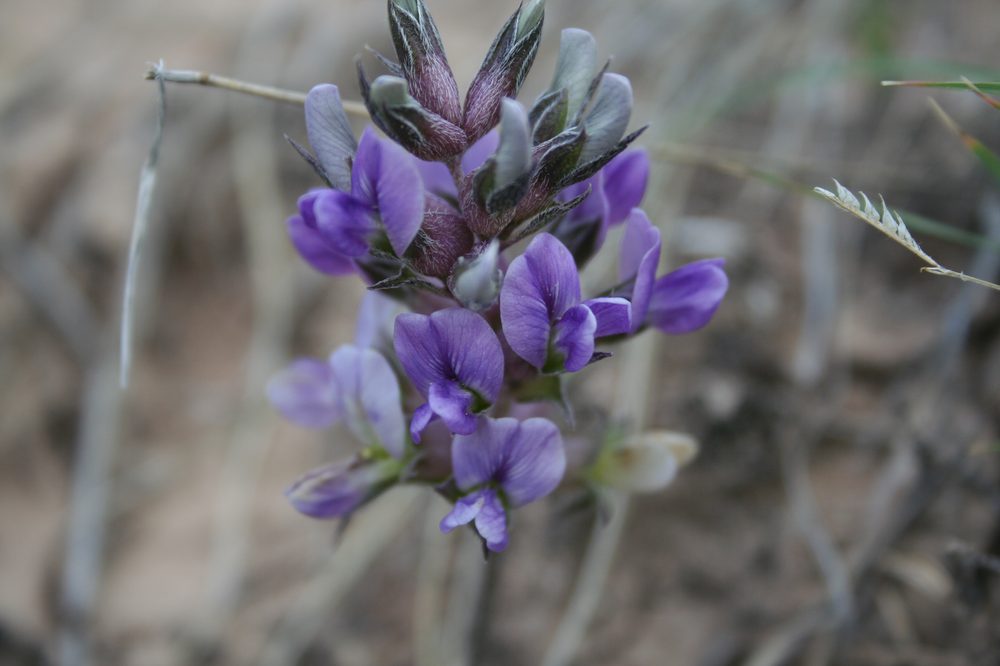
General Description
English names for the plant include tipsin, teepsenee, breadroot, breadroot scurf pea, large Indian breadroot, prairie potato and pomme blanche. The prairie turnip continues to be a staple food of the Plains Indians.
Family Context
The Fabaceae family is large and globally distributed. Notable medicinal members include:
- Soybean — 76 documented uses
- Crab’s Eye — 73 documented uses
- Tamarind — 59 documented uses
- Common Indigo — 51 documented uses
Geographic Distribution
Indian Bread-Root has been recorded in Canada, and United States.
Active Compounds
Phytochemical research has identified 30 compounds in this species, including a diverse array of phytochemical classes (see the Complete Chemical Inventory below for the full list).
The identified compounds include the following categories:
- Flavonoid: antioxidant compounds that protect cells from oxidative damage
- Alkaloid: nitrogenous compounds with diverse pharmacological activities
Research Status
Although this species has documented phytochemical constituents, its ethnobotanical and clinical documentation remains incomplete. Additional phytochemical investigation could identify novel bioactive compounds in this plant.