Botanical Overview
Prunus nipponica is a species in the Rosaceae family. The rose family (Rosaceae) includes trees, shrubs, and herbs with five-petaled flowers and numerous stamens. Many species produce edible fruits such as apples, pears, cherries, and berries. The family includes both ornamental roses and many species with astringent and medicinal properties. Phytochemical data for this species are limited at present.
General Description
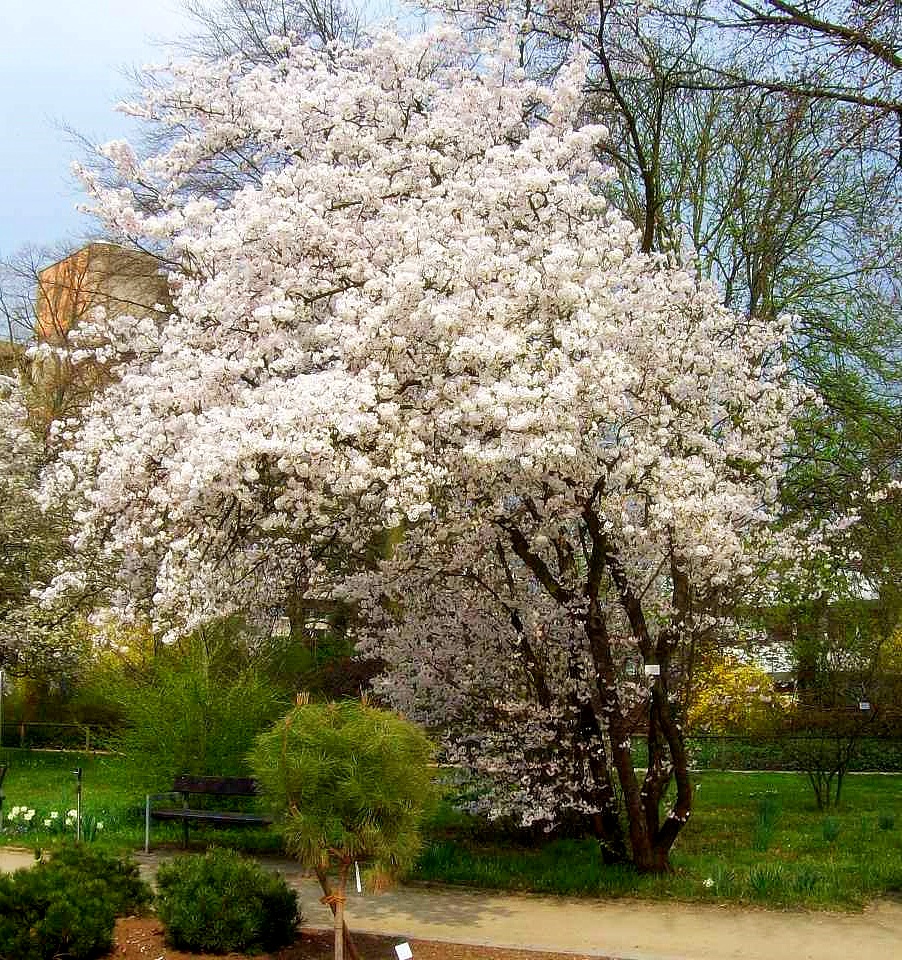
It grows to a height of about 5 meters (16 ft) and can grow in sandy, loamy, and clay soils. This species is one of the hardiest of cherry trees, well-suited to cold climates. The flowers are a very light pink or even white in color. Flowers bloom in the first half of spring. They have 5 petals and are 3 centimeters (1. 2 in) in diameter. The pistils are usually longer than the stamen. The leaves are serrated and the bark is gray. In autumn the leaves turn yellow and orange-red; these are rare autumnal colors for a cherry tree. P. nipponica wood contains significant amounts of these flavonoids: d-catechin, naringenin, sakuranetin, eriodictyol, taxifolin, genistein, and prunetin. Being a member of the genus Prunus, P. nipponica would contain amygdalin and prunasin which form hydrocyanic acid when combined with water. This acid is poisonous but in very small doses it can improve respiration, digestion, and a sense of well-being. The fruit can be used as food and to make green dye. This species was first reported by Japanese botanist Jinzō Matsumura in the Tokyo Botanical Magazine in 1901. It is in the section Pseudocerasus of the cherry subgenus Cerasus of the genus Prunus, which are ornamental plants. Ma et al classified it in a group with Prunus incisa. P. nipponica is on the “List of Protected Animals and Plants in the Wildlife Protection Zone” of the wilderness Shirakami-Sanchi World Heritage Site.
Family Context
The Rosaceae family is widely distributed in temperate regions. Notable medicinal members include:
- Peach — 51 documented uses
- Apricot — 37 documented uses
- Almond — 34 documented uses
- Greater Burnet — 29 documented uses
Geographic Distribution
Prunus nipponica has been recorded in 10 countries and territories worldwide, including Afghanistan, Belgium, Germany, United Kingdom, Japan, and others.
Active Compounds
Phytochemical research has identified 1 compound in this species: genistein.
Research Status
Although this species has documented phytochemical constituents, its ethnobotanical and clinical documentation remains incomplete. Systematic pharmacological studies are needed to validate the traditional uses attributed to this species.