Botanical Overview
Apricot (Prunus armeniaca) is a flowering plant in the Rosaceae family. Traditional medicine systems have documented several valuable applications for this species, supported by its observed therapeutic effects. The rose family (Rosaceae) includes trees, shrubs, and herbs with five-petaled flowers and numerous stamens. Many species produce edible fruits such as apples, pears, cherries, and berries. The family includes both ornamental roses and many species with astringent and medicinal properties.
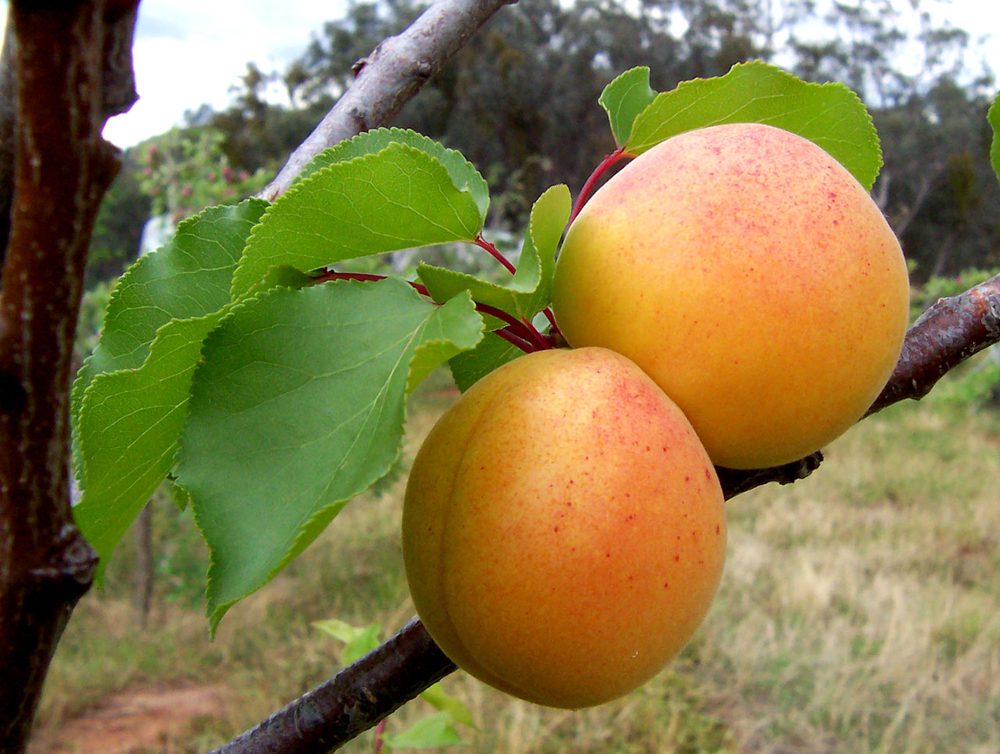
General Description
The native range is somewhat uncertain due to its extensive prehistoric cultivation. Genetic studies indicate Central Asia is the center of origin. It is extensively cultivated in many countries and has escaped into the wild in many places. The specific epithet armeniaca refers to the country of Armenia.
Family Context
The Rosaceae family is widely distributed in temperate regions. Notable medicinal members include:
- Peach — 51 documented uses
- Almond — 34 documented uses
- Greater Burnet — 29 documented uses
- Black Cherry — 28 documented uses
Traditional Uses
Apricot has been traditionally used for digestive health, respiratory conditions, and nervous system disorders, among other applications.
Digestive health.
- Vermifuge
For digestive complaints, the herb is typically prepared as a tea or decoction taken before meals. The bitter compounds stimulate digestive secretions and improve nutrient absorption. Some traditions use the powdered root or leaves in small doses as a stomachic tonic.
Respiratory conditions.
- Asthma
- Cough
- Expectorant
- Pectoral
- Bronchitis
- Catarrh
Respiratory conditions are addressed through steam inhalation of the herb’s vapors or internal use as a warm tea. The hot infusion acts as an expectorant, helping to loosen phlegm and clear congestion. Some traditions combine it with honey for coughs.
Nervous system disorders.
- Sedative
- Spasm
Nervous system support involves taking the herb as a warm tea, often in the evening or before bed. The calming compounds interact with neurotransmitter systems to promote relaxation and restful sleep.
Active Compounds
Phytochemical research has identified 30 compounds in this species, including a diverse array of phytochemical classes (see the Complete Chemical Inventory below for the full list).
The identified compounds include the following categories:
- Phenolic: antioxidant compounds that neutralize free radicals
- Sterol: cholesterol-like compounds with anti-inflammatory properties
- Alkaloid: nitrogenous compounds with diverse pharmacological activities