Botanical Overview
Canistel (Pouteria campechiana) is a species in the Sapotaceae family. The sapodilla family (Sapotaceae) includes tropical trees with milky sap and simple, leathery, alternate leaves. The flowers are small and clustered, and the fruits are fleshy berries. Many species produce latex used for traditional medicines and as a source of chicle. Although comprehensive ethnobotanical records are limited, phytochemical studies have identified 17 compounds in this species, suggesting potential medicinal value.
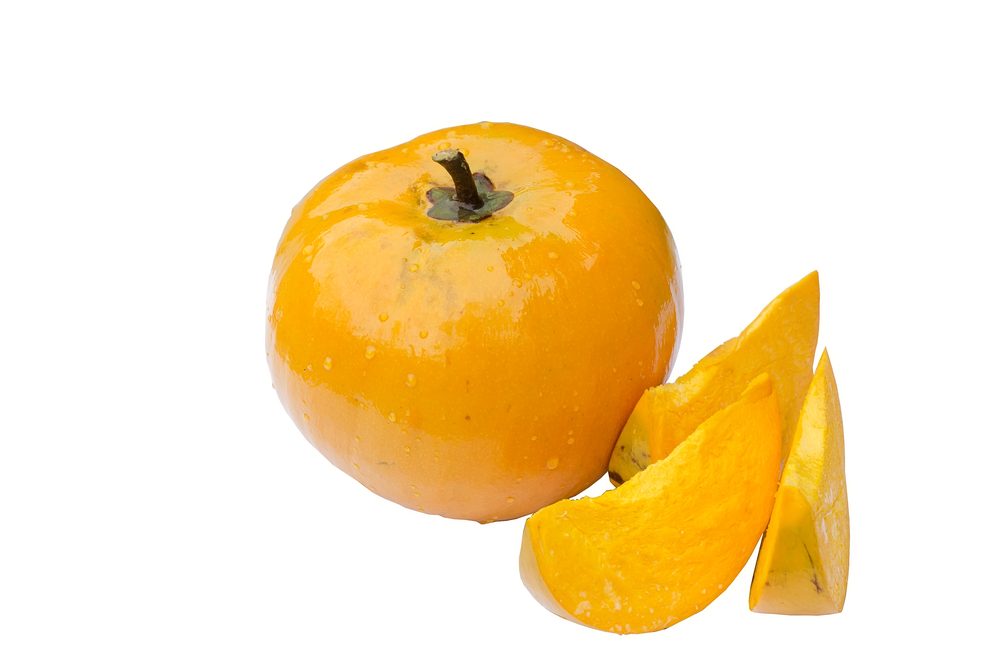
General Description
It is cultivated in other countries, such as India, Costa Rica, Brazil, the United States, the Dominican Republic, Australia, Cambodia, Vietnam, Taiwan, Indonesia, Sri Lanka, Nigeria, Cameroon and the Philippines. The edible part of the tree is its fruit, which is colloquially known as an egg fruit. The canistel grows up to 10 m (33 ft) high, and produces orange-yellow fruit up to 7 cm (3 in) long, which are edible raw. Canistel flesh is sweet, with a texture often compared to that of a hard-boiled egg yolk, hence its colloquial name “eggfruit”. It is closely related to the lúcuma, mamey sapote, and abiu.
Family Context
The Sapotaceae family is widely distributed. Notable medicinal members include:
Geographic Distribution
Canistel has been recorded in 10 countries and territories worldwide, including Belize, Costa Rica, Guatemala, Honduras, Mexico, and others.
Active Compounds
Phytochemical research has identified 17 compounds in this species, including a diverse array of phytochemical classes (see the Complete Chemical Inventory below for the full list).
The identified compounds include the following categories:
- Alkaloid: nitrogenous compounds with diverse pharmacological activities
Research Status
Although this species has documented phytochemical constituents, its ethnobotanical and clinical documentation remains incomplete. Additional phytochemical investigation could identify novel bioactive compounds in this plant.