Botanical Overview
Abiu (Pouteria caimito) is a species in the Sapotaceae family. The sapodilla family (Sapotaceae) includes tropical trees with milky sap and simple, leathery, alternate leaves. The flowers are small and clustered, and the fruits are fleshy berries. Many species produce latex used for traditional medicines and as a source of chicle. Although comprehensive ethnobotanical records are limited, phytochemical studies have identified 19 compounds in this species, suggesting potential medicinal value.
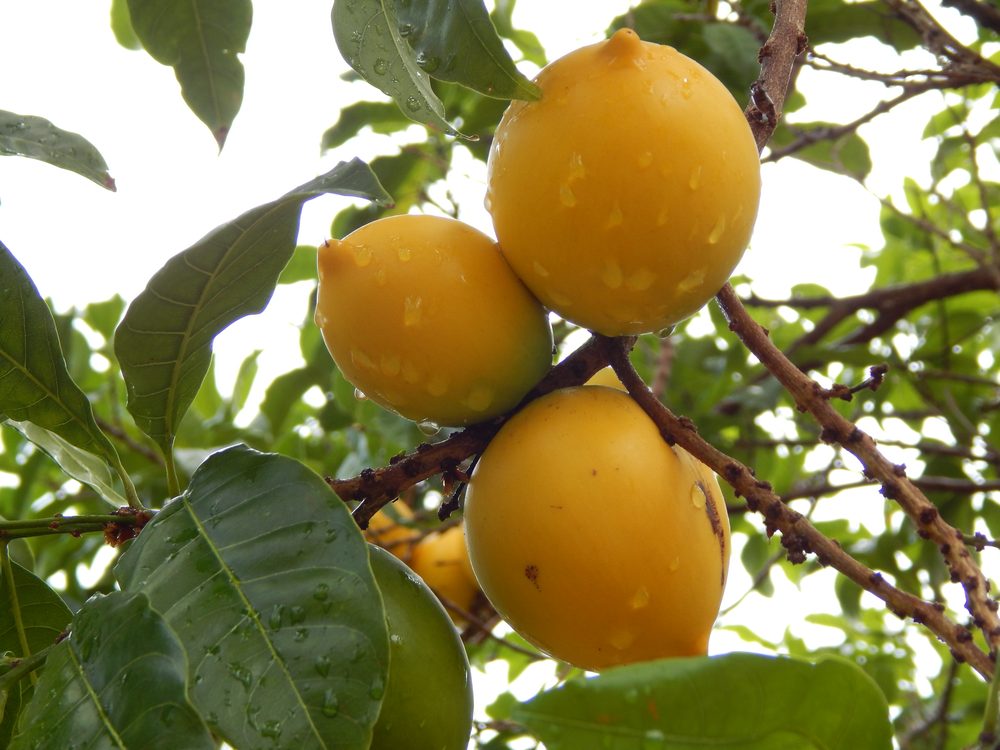
General Description
It grows in the Amazonian region of South America, and this type of fruit can also be found in Cuba, the Philippines and other countries in Southeast Asia. It grows to an average of 10 metres (33 feet) high, with ovoid fruits. The inside of the fruit is translucent and white. It has a creamy and jelly-like texture with a taste resembling caramel custard. †.
Family Context
The Sapotaceae family is widely distributed. Notable medicinal members include:
Geographic Distribution
Abiu has been recorded in 10 countries and territories worldwide, including Bolivia, Brazil, Colombia, Costa Rica, Ecuador, and others.
Active Compounds
Phytochemical research has identified 19 compounds in this species, including a diverse array of phytochemical classes (see the Complete Chemical Inventory below for the full list).
The identified compounds include the following categories:
- Alkaloid: nitrogenous compounds with diverse pharmacological activities
Research Status
Although this species has documented phytochemical constituents, its ethnobotanical and clinical documentation remains incomplete. Further ethnobotanical and pharmacological research may reveal additional therapeutic applications for this species.