Botanical Overview
Quilquinya (Porophyllum ruderale) belongs to the Asteraceae family. Limited but reliable traditional records indicate this plant has recognized medicinal applications in one or more healing traditions. The daisy family (Asteraceae) is one of the largest plant families, characterized by composite flower heads (capitula) that contain many small florets surrounded by bracts. Plants range from tiny alpine herbs to large tropical trees. The family includes many medicinally important species with bitter compounds and essential oils.
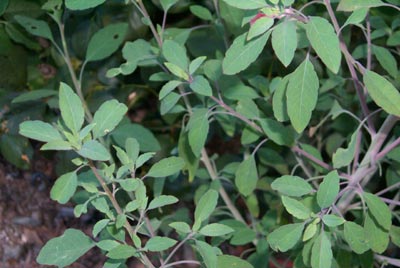
General Description
The taste has been described as “somewhere between arugula, cilantro and rue”. The plant is commonly grown in Mexico and South America for use in salsas. When fully grown, the plant measures about 150 cm (5 ft) in height and 90 cm (3 ft) in diameter. The plant is easy to grow from seed in a well-drained soil, which should be allowed to dry between watering.
Family Context
The Asteraceae family is extremely large and diverse. Notable medicinal members include:
- Yarrow — 63 documented uses
- Gobo — 63 documented uses
- Mugwort — 55 documented uses
- Sunflower — 52 documented uses
Geographic Distribution
Quilquinya has been recorded in 10 countries and territories worldwide, including Argentina, Bolivia, Brazil, Colombia, Ecuador, and others.
Traditional Uses
Quilquinya has been traditionally used for nervous system disorders and metabolic and nutritional health.
Nervous system disorders.
- Spasm
Nervous system support involves taking the herb as a warm tea, often in the evening or before bed. The calming compounds interact with neurotransmitter systems to promote relaxation and restful sleep.
Metabolic and nutritional health.
- Sudorific
Metabolic applications include consuming the plant as a food, fresh juice, or herbal infusion. Regular use supports the body’s natural metabolic processes and nutritional status.
Active Compounds
Phytochemical research has identified 24 compounds in this species, including a diverse array of phytochemical classes (see the Complete Chemical Inventory below for the full list).
The identified compounds include the following categories:
- Alkaloid: nitrogenous compounds with diverse pharmacological activities