Botanical Overview
Black Poplar (Populus nigra) is a flowering plant in the Salicaceae family. Traditional medicine systems have documented several valuable applications for this species, supported by its observed therapeutic effects. This species belongs to the Salicaceae family, a group of flowering plants.
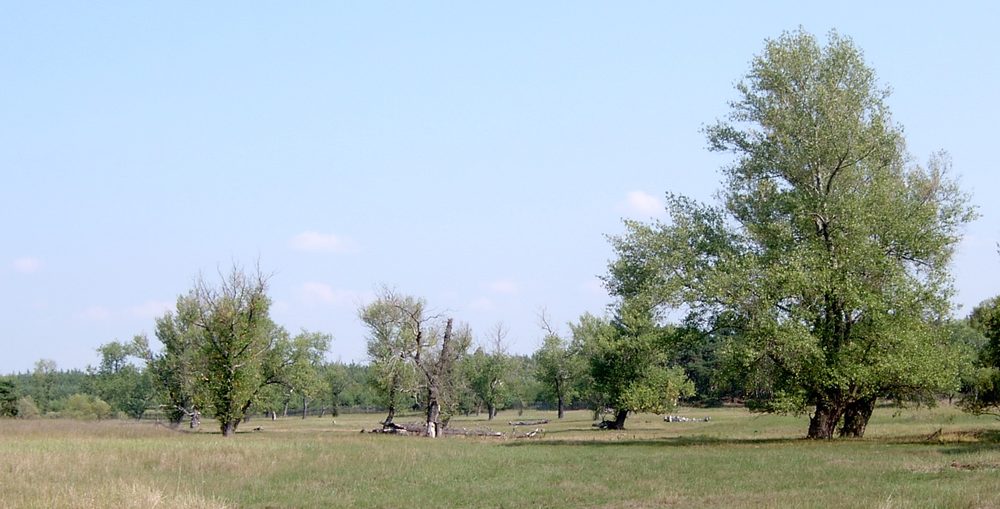
General Description
Populus nigra, the black poplar, is a species of cottonwood poplar, the type species of section Aigeiros of the genus Populus, native to Europe, southwest and central Asia, and northwest Africa.
Family Context
The Salicaceae family is widely distributed. Notable medicinal members include:
- Balsam Poplar — 24 documented uses
- White Willow — 16 documented uses
- Balm Of Gilead — 1 documented uses
Geographic Distribution
Black Poplar has been recorded in 10 countries and territories worldwide, including Austria, Switzerland, Germany, Spain, France, and others.
Traditional Uses
Black Poplar has been traditionally used for respiratory conditions, urinary tract health, and pain and inflammation, among other applications.
Respiratory conditions.
- Cold
Respiratory conditions are addressed through steam inhalation of the herb’s vapors or internal use as a warm tea. The hot infusion acts as an expectorant, helping to loosen phlegm and clear congestion. Some traditions combine it with honey for coughs.
Urinary tract health.
- Bladder
- Diuretic
Urinary tract applications typically involve drinking the herb as a mild tea, which increases urine production and helps flush the urinary system. It may be combined with other demulcent herbs to soothe irritated tissues.
Pain and inflammation.
- Anodyne
For pain and inflammation, preparations are applied both topically as compresses and taken internally. A warm poultice draws blood to the area and promotes healing, while internal preparations address systemic inflammation.
Active Compounds
Phytochemical research has identified 20 compounds in this species, including a diverse array of phytochemical classes (see the Complete Chemical Inventory below for the full list).
The identified compounds include the following categories:
- Flavonoid: antioxidant compounds that protect cells from oxidative damage
- Tannin: astringent compounds that tighten tissues and resist infection