Botanical Overview
Balsam Poplar (Populus balsamifera) is a flowering plant in the Salicaceae family. Traditional medicine systems have documented several valuable applications for this species, supported by its observed therapeutic effects. This species belongs to the Salicaceae family, a group of flowering plants.
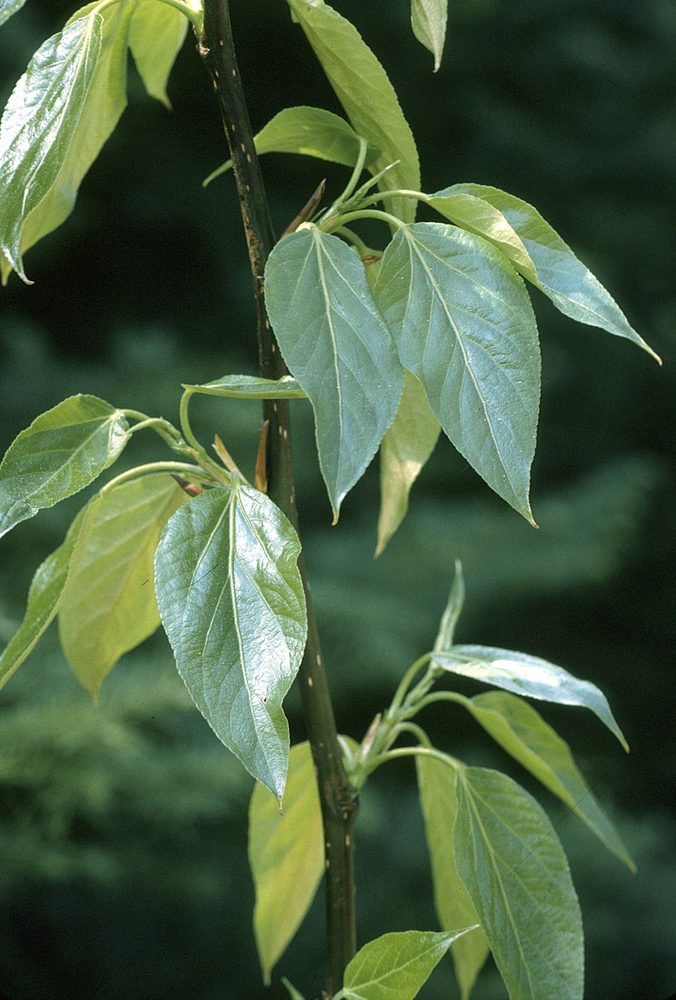
General Description
The genus name Populus is from the Latin for poplar, and the specific epithet balsamifera from Latin for “balsam-bearing”. Populus balsamifera is the northernmost North American hardwood, growing transcontinentally on boreal and montane upland and flood plain sites, and attaining its best development on flood plains. It is a hardy, fast-growing tree which is generally short lived, but some trees as old as 200 years have been found. The tree is known for its strong, sweet fragrance, which emanates from its sticky, resinous buds. The smell has been compared to that of the balsam fir tree.
Family Context
The Salicaceae family is widely distributed. Notable medicinal members include:
- Black Poplar — 16 documented uses
- White Willow — 16 documented uses
- Balm Of Gilead — 1 documented uses
Geographic Distribution
Balsam Poplar has been recorded in 10 countries and territories worldwide, including Austria, Canada, Germany, Estonia, Finland, and others.
Traditional Uses
Balsam Poplar has been traditionally used for digestive health, respiratory conditions, and skin and wound care, among other applications.
Digestive health.
- Diarrhea
- Dysentery
- Vermifuge
For digestive complaints, the herb is typically prepared as a tea or decoction taken before meals. The bitter compounds stimulate digestive secretions and improve nutrient absorption. Some traditions use the powdered root or leaves in small doses as a stomachic tonic.
Respiratory conditions.
- Expectorant
Respiratory conditions are addressed through steam inhalation of the herb’s vapors or internal use as a warm tea. The hot infusion acts as an expectorant, helping to loosen phlegm and clear congestion. Some traditions combine it with honey for coughs.
Skin and wound care.
- Skin
- Wound
For skin conditions, the fresh or dried plant is applied topically as a poultice, wash, or compress. A strong decoction can be used to clean wounds and sores. The antimicrobial properties help prevent infection while promoting tissue repair.
Active Compounds
Phytochemical research has identified 30 compounds in this species, including a diverse array of phytochemical classes (see the Complete Chemical Inventory below for the full list).
The identified compounds include the following categories:
- Phenolic: antioxidant compounds that neutralize free radicals
- Alkaloid: nitrogenous compounds with diverse pharmacological activities