Botanical Overview
Pongamia pinnata is a flowering plant in the Fabaceae family. The traditional uses of this species reflect its genuine medicinal value, validated by generations of practical experience. The legume family (Fabaceae) includes trees, shrubs, and herbs that produce pods (legumes) and form nitrogen-fixing root nodules through symbiosis with bacteria. The flowers are typically pea-shaped with five petals. This large family provides food staples, timber, and numerous medicinal species.
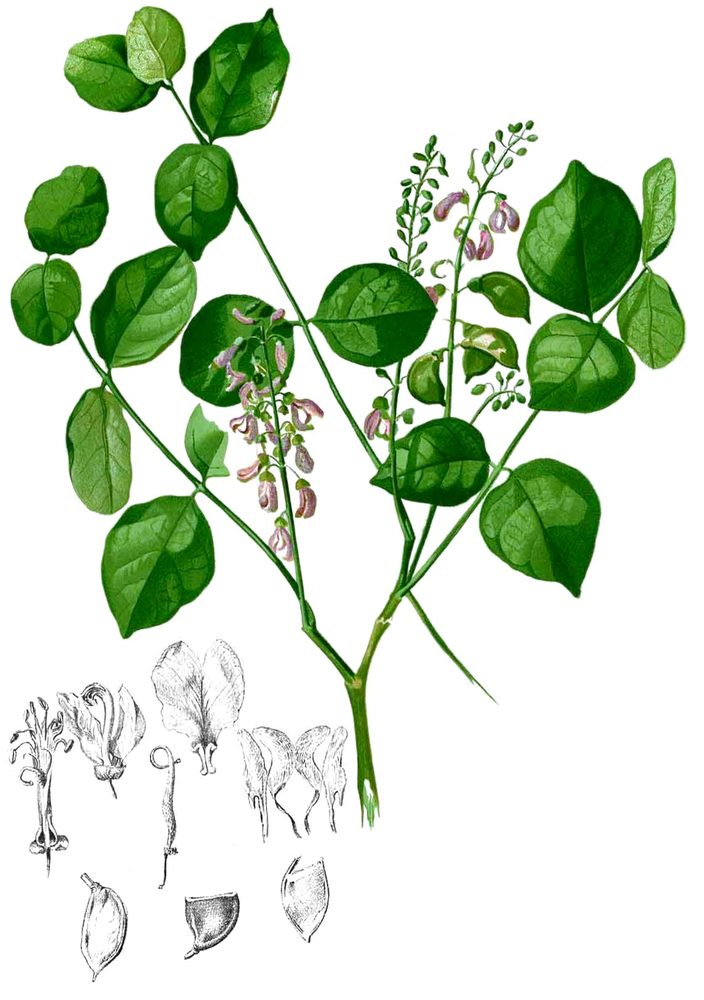
General Description
It is the sole species in genus Pongamia. It is often known by the synonym Millettia pinnata. Its common names include Indian beech, Karanja, and Pongame oiltree.
Family Context
The Fabaceae family is large and globally distributed. Notable medicinal members include:
- Soybean — 76 documented uses
- Crab’s Eye — 73 documented uses
- Tamarind — 59 documented uses
- Common Indigo — 51 documented uses
Geographic Distribution
Pongamia pinnata has been recorded in 10 countries and territories worldwide, including Australia, China, Indonesia, India, Japan, and others.
Traditional Uses
Pongamia pinnata has been traditionally used for digestive health, respiratory conditions, and skin and wound care, among other applications.
Digestive health.
- Diarrhea
- Dyspepsia
- Stomachic
For digestive complaints, the herb is typically prepared as a tea or decoction taken before meals. The bitter compounds stimulate digestive secretions and improve nutrient absorption. Some traditions use the powdered root or leaves in small doses as a stomachic tonic.
Respiratory conditions.
- Bronchitis
- Cough
Respiratory conditions are addressed through steam inhalation of the herb’s vapors or internal use as a warm tea. The hot infusion acts as an expectorant, helping to loosen phlegm and clear congestion. Some traditions combine it with honey for coughs.
Skin and wound care.
- Leprosy
- Skin
- Itch
For skin conditions, the fresh or dried plant is applied topically as a poultice, wash, or compress. A strong decoction can be used to clean wounds and sores. The antimicrobial properties help prevent infection while promoting tissue repair.
Active Compounds
Phytochemical research has identified 1 compound in this species: betulinic-acid.