Botanical Overview
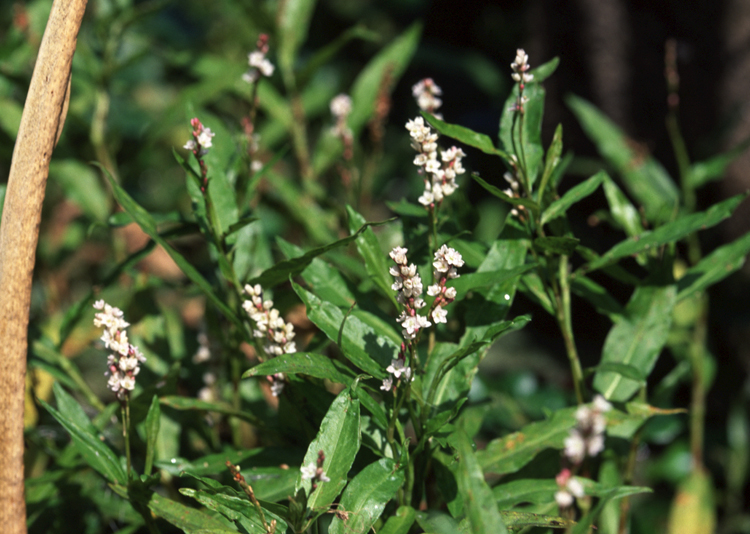
Mild Water Pepper (Polygonum hydropiperoides) is a species in the Polygonaceae family. The buckwheat family (Polygonaceae) includes herbs, shrubs, and vines with swollen stem nodes (joints) and simple, alternate leaves with sheathing stipules called ochreae. The flowers are small and clustered. Many species contain anthraquinone glycosides and tannins. Although comprehensive ethnobotanical records are limited, phytochemical studies have identified 11 compounds in this species, suggesting potential medicinal value.
General Description
It has a widespread distribution across much of North America and South America. Its preferred habitat is in moist, saturated to inundated soils growing in full sun to partial shade; such as swamp forests, marshes, streams, shorelines, and ditches. It is sometimes semi-aquatic.
Family Context
The Polygonaceae family is widely distributed. Notable medicinal members include:
- Prostrate Knotweed — 50 documented uses
- Chinese Cornbind — 45 documented uses
- Common Smartweed — 41 documented uses
- Curly Dock — 31 documented uses
Geographic Distribution
Mild Water Pepper has been recorded in 10 countries and territories worldwide, including Argentina, Bolivia, Brazil, Canada, Colombia, and others.
Active Compounds
Phytochemical research has identified 11 compounds in this species, including a diverse array of phytochemical classes (see the Complete Chemical Inventory below for the full list).
The identified compounds include the following categories:
- Phenolic: antioxidant compounds that neutralize free radicals
Research Status
Although this species has documented phytochemical constituents, its ethnobotanical and clinical documentation remains incomplete. Further ethnobotanical and pharmacological research may reveal additional therapeutic applications for this species.