Botanical Overview
Solomon’s Seal (Polygonatum multiflorum) is a flowering plant in the Liliaceae family. This plant has earned a place in traditional medicine through its consistent therapeutic benefits, recorded across multiple cultures. The lily family (Liliaceae) includes bulbous herbs with erect stems, alternate leaves, and showy six-parted flowers with prominent stamens. The underground bulbs serve as storage organs rich in carbohydrates. Many species contain steroidal saponins and alkaloids with medicinal properties.
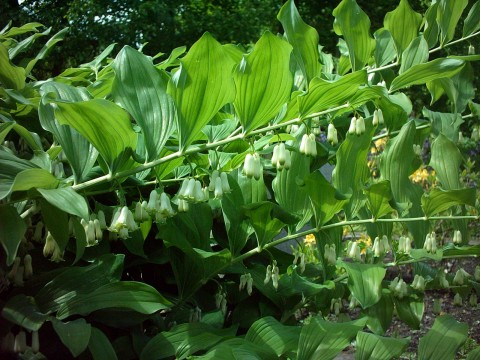
General Description
In Britain it is one of three native species of the genus, the others being P. odoratum and P. verticillatum.
Family Context
The Liliaceae family is widely distributed in temperate regions. Notable medicinal members include:
- Onion — 72 documented uses
- American Hellebore — 52 documented uses
- Glory Lily — 36 documented uses
- Asparagus — 31 documented uses
Geographic Distribution
Solomon’s Seal has been recorded in 10 countries and territories worldwide, including Austria, Belgium, Switzerland, Germany, Denmark, and others.
Traditional Uses
Solomon’s Seal has been traditionally used for pain and inflammation, metabolic and nutritional health, and immune system support.
Pain and inflammation.
- Inflammation
For pain and inflammation, preparations are applied both topically as compresses and taken internally. A warm poultice draws blood to the area and promotes healing, while internal preparations address systemic inflammation.
Metabolic and nutritional health.
- Diabetes
- Tonic
Metabolic applications include consuming the plant as a food, fresh juice, or herbal infusion. Regular use supports the body’s natural metabolic processes and nutritional status.
Immune system support.
- Tumor
Immune support involves taking the herb as a decoction or tincture over extended periods. The active compounds stimulate immune cell activity and provide antimicrobial protection.
Active Compounds
Phytochemical research has identified 3 compounds in this species: ent-epicatechin, l-alpha,gamma-diaminobutyric-acid, l-azetidine-2-carboxylic-acid.
The identified compounds include the following categories:
- Phenolic: antioxidant compounds that neutralize free radicals
- Alkaloid: nitrogenous compounds with diverse pharmacological activities