Botanical Overview
Chinese Mayapple (Podophyllum pleianthum) is a species in the Berberidaceae family. The barberry family (Berberidaceae) includes shrubs and herbs with alternate or basal leaves and yellow wood or roots due to alkaloid content. The flowers have six sepals and six petals arranged in whorls, and the fruits are berries or capsules. Many species produce isoquinoline alkaloids like berberine with antimicrobial activity. Although comprehensive ethnobotanical records are limited, phytochemical studies have identified 13 compounds in this species, suggesting potential medicinal value.
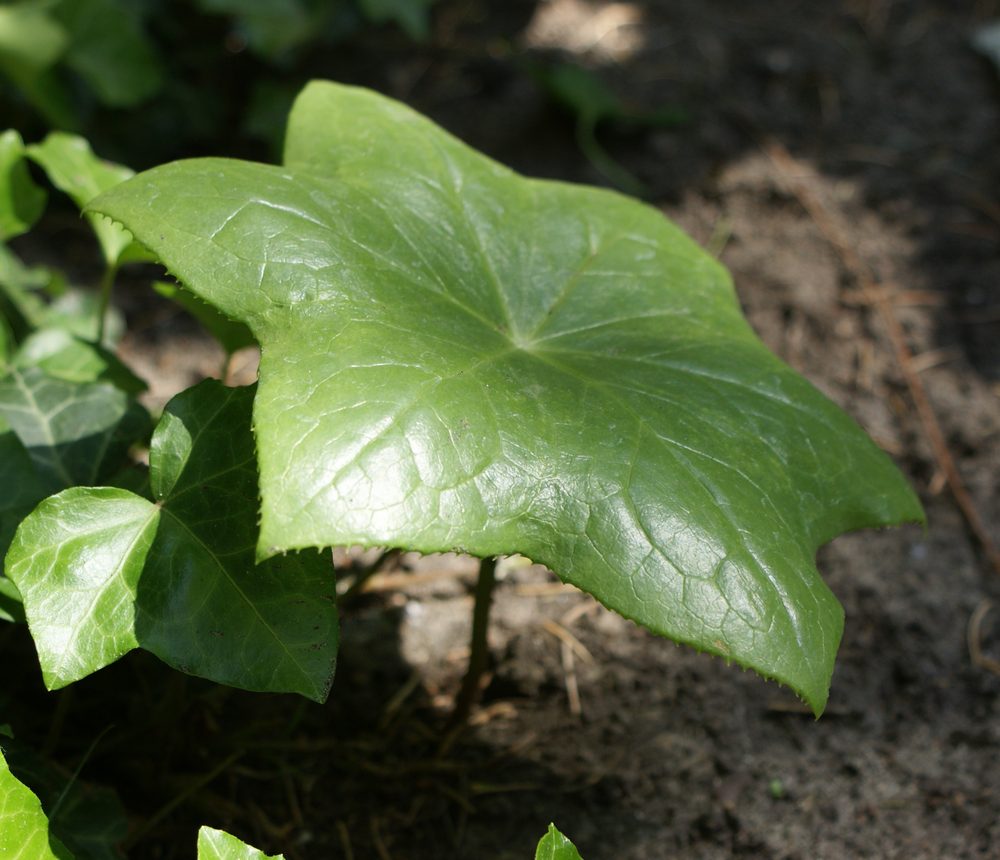
General Description
Dysosma pleiantha), the many-flowered Chinese mayapple, is a species of flowering plant in the genus Podophyllum, native to south-central and southeast China, including Taiwan. Shade tolerant, and deer resistant due to its toxicity, it has gained the Royal Horticultural Society’s Award of Garden Merit.
Family Context
The Berberidaceae family is widely distributed in temperate regions. Notable medicinal members include:
- Heavenly Bamboo — 24 documented uses
- Mayapple — 19 documented uses
- Barberry — 17 documented uses
- Japanese Ashberry — 13 documented uses
Geographic Distribution
Chinese Mayapple has been recorded in China, Hong Kong, Norway, Taiwan, and United States.
Active Compounds
Phytochemical research has identified 13 compounds in this species, including a diverse array of phytochemical classes (see the Complete Chemical Inventory below for the full list).
The identified compounds include the following categories:
- Flavonoid: antioxidant compounds that protect cells from oxidative damage
Research Status
Although this species has documented phytochemical constituents, its ethnobotanical and clinical documentation remains incomplete. Systematic pharmacological studies are needed to validate the traditional uses attributed to this species.