Botanical Overview
Bakuri (Platonia insignis) is a species in the Clusiaceae family. The garcinia family (Clusiaceae) includes trees and shrubs with opposite, leathery leaves and resinous sap that is often yellow. The flowers are typically showy with numerous stamens, and the fruits are often fleshy capsules. Many species produce xanthones and polycyclic polyprenylated acylphloroglucinols (PPAPs) with significant biological activity. Although comprehensive ethnobotanical records are limited, phytochemical studies have identified 14 compounds in this species, suggesting potential medicinal value.
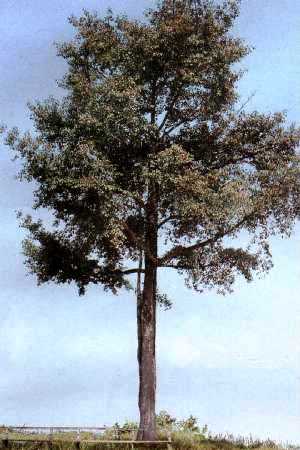
General Description
It is native the Amazon rainforest in tropical South America, ranging through northern and northeastern Brazil, southeastern Colombia, southern Venezuela, and the Guianas. Common names include bacuri, maniballi, naranjillo and bacurizeiro.
Family Context
The Clusiaceae family is primarily tropical. Notable medicinal members include:
- Common St. Johnswort — 36 documented uses
- Mamey — 23 documented uses
- Mesua ferrea — 16 documented uses
- Mangosteen — 13 documented uses
Geographic Distribution
Bakuri has been recorded in 10 countries and territories worldwide, including Argentina, Brazil, Colombia, French Guiana, Guyana, and others.
Active Compounds
Phytochemical research has identified 14 compounds in this species, including a diverse array of phytochemical classes (see the Complete Chemical Inventory below for the full list).
The identified compounds include the following categories:
- Alkaloid: nitrogenous compounds with diverse pharmacological activities
Research Status
Although this species has documented phytochemical constituents, its ethnobotanical and clinical documentation remains incomplete. Additional phytochemical investigation could identify novel bioactive compounds in this plant.