Botanical Overview
Psyllium (Plantago psyllium) belongs to the Plantaginaceae family. While not among the most extensively documented medicinal plants, this species has recorded uses that warrant attention from researchers and practitioners. This species belongs to the Plantaginaceae family, a group of flowering plants.
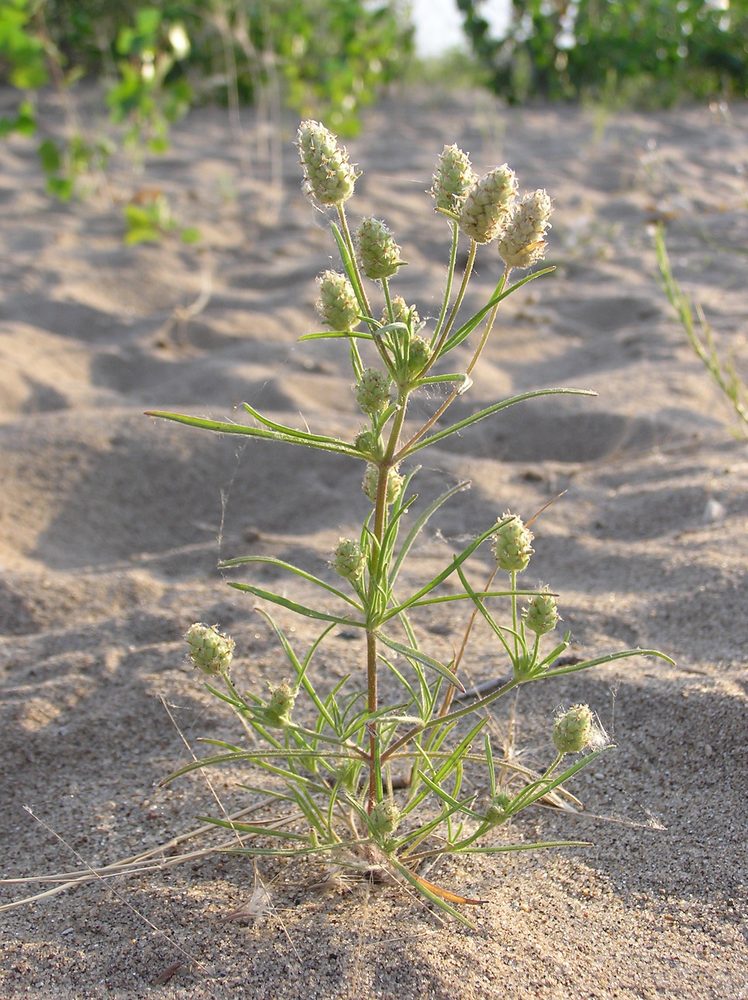
General Description
The plant is native to parts of Africa, Europe, Russia, and Asia, and is naturalised in many other areas such as Australia and North America. The plant can be found mostly in dry inland areas, such as those that are sandy, and also grows on roadsides and in meadows. The plant is not used broadly as a food source, but has been cultivated for its seeds which serve a medicinal use as a laxative.
Family Context
The Plantaginaceae family is widely distributed. Notable medicinal members include:
- Common Plantain — 96 documented uses
- Asian Plantain — 38 documented uses
- Blond Psyllium — 18 documented uses
Traditional Uses
Psyllium has been traditionally used for digestive health, respiratory conditions, and pain and inflammation.
Digestive health.
- Laxative
- Purgative
For digestive complaints, the herb is typically prepared as a tea or decoction taken before meals. The bitter compounds stimulate digestive secretions and improve nutrient absorption. Some traditions use the powdered root or leaves in small doses as a stomachic tonic.
Respiratory conditions.
- Expectorant
Respiratory conditions are addressed through steam inhalation of the herb’s vapors or internal use as a warm tea. The hot infusion acts as an expectorant, helping to loosen phlegm and clear congestion. Some traditions combine it with honey for coughs.
Pain and inflammation.
- Inflammation
- Rheumatism
For pain and inflammation, preparations are applied both topically as compresses and taken internally. A warm poultice draws blood to the area and promotes healing, while internal preparations address systemic inflammation.
Active Compounds
Phytochemical research has identified 30 compounds in this species, including a diverse array of phytochemical classes (see the Complete Chemical Inventory below for the full list).
The identified compounds include the following categories:
- Sterol: cholesterol-like compounds with anti-inflammatory properties
- Alkaloid: nitrogenous compounds with diverse pharmacological activities