Botanical Overview
Cubeb (Piper cubeba) is a flowering plant in the Piperaceae family. Traditional medicine systems have documented several valuable applications for this species, supported by its observed therapeutic effects. This species belongs to the Piperaceae family, a group of flowering plants.
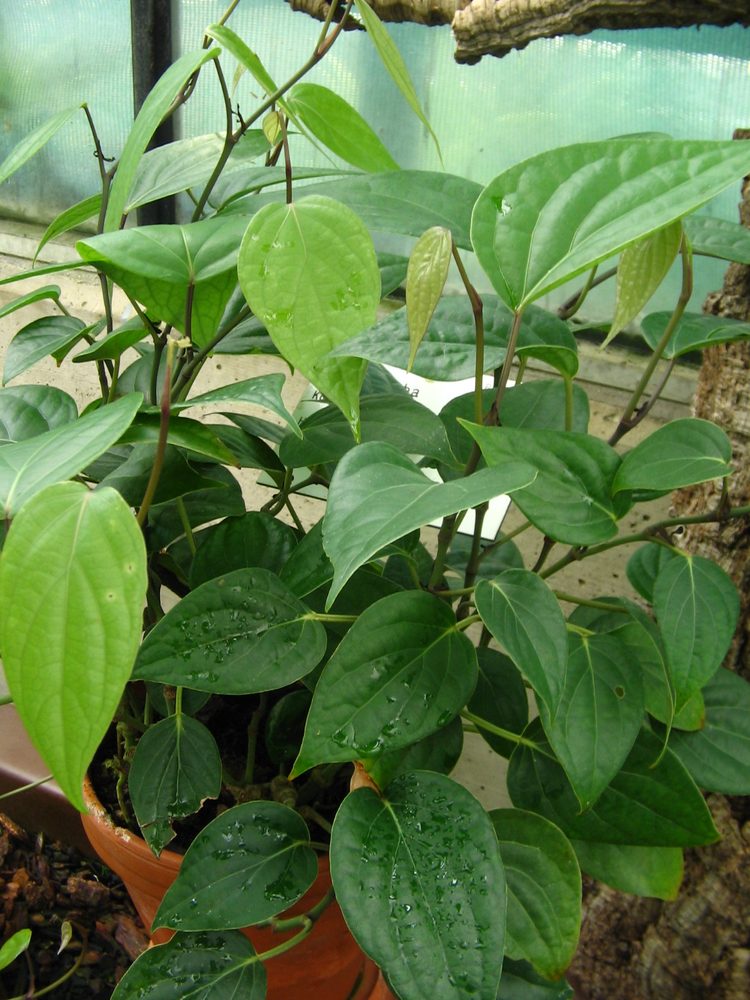
General Description
It is mostly grown in Java and Sumatra, hence sometimes called Java pepper. The fruits are gathered before they are ripe, and carefully dried. Commercial cubeb consists of the dried berries, similar in appearance to black pepper, but with stalks attached – the “tails” in “tailed pepper”. The dried pericarp is wrinkled, and its color ranges from grayish brown to black. The seed is hard, white and oily. The odor of cubeb is described as agreeable and aromatic and the taste as pungent, acrid, slightly bitter and persistent. It has been described as tasting like allspice, or like a cross between allspice and black pepper. Cubeb came to Europe via India through the trade with the Arabs. The name cubeb comes from Arabic kabāba (كبابة) by way of Old French quibibes. Cubeb is mentioned in alchemical writings by its Arabic name. In his Theatrum Botanicum, John Parkinson tells that the king of Portugal (Possibly either Philip IV of Spain or John IV of Portugal, as that year was marked by the start of the Portuguese Restoration War) prohibited the sale of cubeb to promote black pepper (Piper nigrum) around 1640. It experienced a brief resurgence in 19th-century Europe for medicinal uses, but has practically vanished from the European market since. It continues to be used as a flavoring agent for gins and cigarettes in the West, and as a seasoning for food in Indonesia.
Family Context
The Piperaceae family is widely distributed. Notable medicinal members include:
- Betel Pepper — 51 documented uses
- Black Pepper — 46 documented uses
- Matico — 23 documented uses
- Kava-Kava — 12 documented uses
Geographic Distribution
Cubeb has been recorded in 10 countries and territories worldwide, including Brazil, Egypt, France, Guyana, Indonesia, and others.
Traditional Uses
Cubeb has been traditionally used for digestive health, respiratory conditions, and urinary tract health, among other applications.
Digestive health.
- Carminative
- Dysentery
- Stomachic
For digestive complaints, the herb is typically prepared as a tea or decoction taken before meals. The bitter compounds stimulate digestive secretions and improve nutrient absorption. Some traditions use the powdered root or leaves in small doses as a stomachic tonic.
Respiratory conditions.
- Expectorant
- Bronchitis
- Catarrh
- Asthma
Respiratory conditions are addressed through steam inhalation of the herb’s vapors or internal use as a warm tea. The hot infusion acts as an expectorant, helping to loosen phlegm and clear congestion. Some traditions combine it with honey for coughs.
Urinary tract health.
- Diuretic
- Cystitis
- Kidney
Urinary tract applications typically involve drinking the herb as a mild tea, which increases urine production and helps flush the urinary system. It may be combined with other demulcent herbs to soothe irritated tissues.
Active Compounds
Phytochemical research has identified 30 compounds in this species, including a diverse array of phytochemical classes (see the Complete Chemical Inventory below for the full list).
The identified compounds include the following categories:
- Terpene: aromatic compounds with anti-inflammatory and antimicrobial properties
- Alkaloid: nitrogenous compounds with diverse pharmacological activities