Botanical Overview
Scotch Pine (Pinus sylvestris) belongs to the Pinaceae family. Limited but reliable traditional records indicate this plant has recognized medicinal applications in one or more healing traditions. The pine family (Pinaceae) includes coniferous trees with needle-like leaves arranged in bundles or spirally along the branches. They produce male and female cones and are wind-pollinated. The resin contains turpentine and other terpenes with traditional medicinal uses for respiratory conditions.
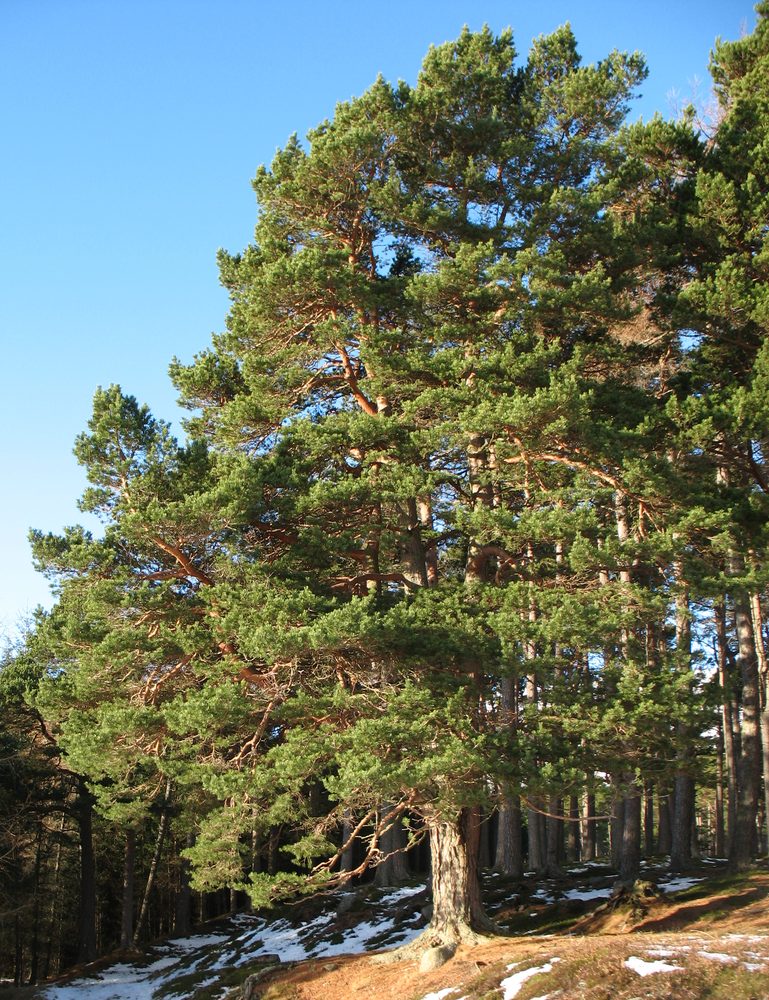
General Description
It is commonly known as the Scots pine in English; it is also known as the Scotch pine in the United States, and occasionally called the Baltic pine or European red pine. It can readily be identified by its combination of fairly short, blue-green leaves and orange-red bark.
Family Context
The Pinaceae family is widely distributed in the Northern Hemisphere. Notable medicinal members include:
- Longleaf Pine — 29 documented uses
- Chir Pine — 27 documented uses
- Silver-Fir — 20 documented uses
- Pinyon Pine — 15 documented uses
Geographic Distribution
Scotch Pine has been recorded in 10 countries and territories worldwide, including Germany, Spain, Finland, France, United Kingdom, and others.
Traditional Uses
Scotch Pine has been traditionally used for respiratory conditions and immune system support.
Respiratory conditions.
- Cough
Respiratory conditions are addressed through steam inhalation of the herb’s vapors or internal use as a warm tea. The hot infusion acts as an expectorant, helping to loosen phlegm and clear congestion. Some traditions combine it with honey for coughs.
Immune system support.
- Tumor
Immune support involves taking the herb as a decoction or tincture over extended periods. The active compounds stimulate immune cell activity and provide antimicrobial protection.
Active Compounds
Phytochemical research has identified 30 compounds in this species, including a diverse array of phytochemical classes (see the Complete Chemical Inventory below for the full list).
The identified compounds include the following categories:
- Phenolic: antioxidant compounds that neutralize free radicals
- Alkaloid: nitrogenous compounds with diverse pharmacological activities