Botanical Overview
Italian Stone Pine (Pinus pinea) belongs to the Pinaceae family. Limited but reliable traditional records indicate this plant has recognized medicinal applications in one or more healing traditions. The pine family (Pinaceae) includes coniferous trees with needle-like leaves arranged in bundles or spirally along the branches. They produce male and female cones and are wind-pollinated. The resin contains turpentine and other terpenes with traditional medicinal uses for respiratory conditions.
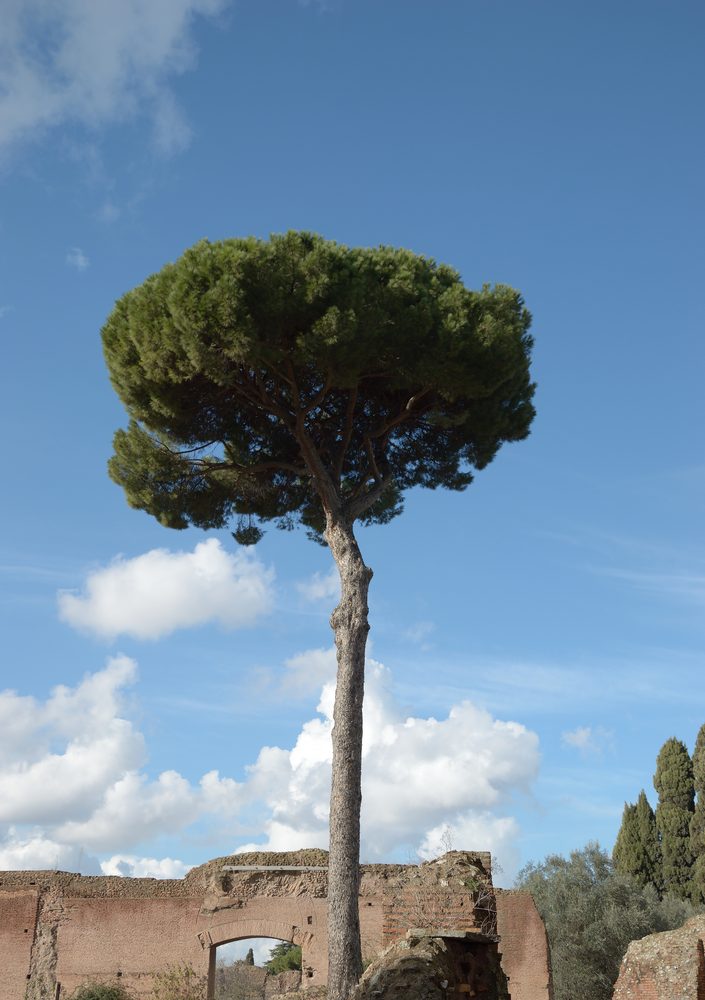
General Description
The tree is native to the Mediterranean region, occurring in Southern Europe and the Levant. The species was introduced into North Africa millennia ago, and is also naturalized in the Canary Islands, South Africa and New South Wales. Stone pines have been used and cultivated for their edible pine nuts since prehistoric times. They are widespread in horticultural cultivation as ornamental trees, planted in gardens and parks around the world. This plant has gained the Royal Horticultural Society’s Award of Garden Merit.
Family Context
The Pinaceae family is widely distributed in the Northern Hemisphere. Notable medicinal members include:
- Longleaf Pine — 29 documented uses
- Chir Pine — 27 documented uses
- Silver-Fir — 20 documented uses
- Pinyon Pine — 15 documented uses
Geographic Distribution
Italian Stone Pine has been recorded in 10 countries and territories worldwide, including Spain, France, Greece, Israel, Italy, and others.
Active Compounds
Phytochemical research has identified 30 compounds in this species, including a diverse array of phytochemical classes (see the Complete Chemical Inventory below for the full list).
The identified compounds include the following categories:
- Sterol: cholesterol-like compounds with anti-inflammatory properties
- Alkaloid: nitrogenous compounds with diverse pharmacological activities