Botanical Overview
Slash Pine (Pinus elliottii) is a species in the Pinaceae family. The pine family (Pinaceae) includes coniferous trees with needle-like leaves arranged in bundles or spirally along the branches. They produce male and female cones and are wind-pollinated. The resin contains turpentine and other terpenes with traditional medicinal uses for respiratory conditions. Although comprehensive ethnobotanical records are limited, phytochemical studies have identified 22 compounds in this species, suggesting potential medicinal value.
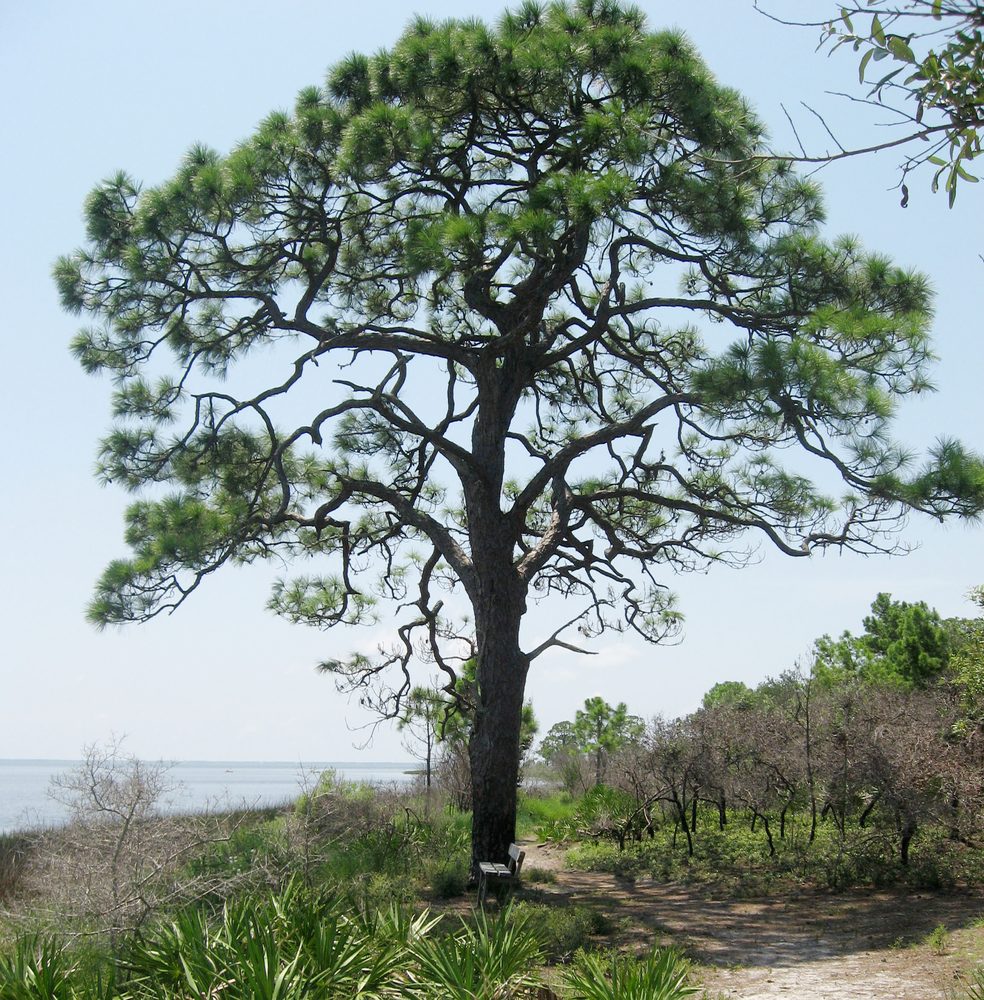
General Description
Slash pine is named after the “slashes” – swampy ground overgrown with trees and bushes – that constitute its habitat. Other common names include swamp pine, yellow slash pine, and southern Florida pine. Slash pine has two different varieties: P. e. var. elliottii and P. e. var. densa. Historically, slash pine has been an important economic timber for naval stores, turpentine, and resin. The wood of slash pine is known for its unusually high strength, especially for a pine. It exceeds many hardwoods and is even comparable to very dense woods such as black ironwood.
Family Context
The Pinaceae family is widely distributed in the Northern Hemisphere. Notable medicinal members include:
- Longleaf Pine — 29 documented uses
- Chir Pine — 27 documented uses
- Silver-Fir — 20 documented uses
- Pinyon Pine — 15 documented uses
Geographic Distribution
Slash Pine has been recorded in 10 countries and territories worldwide, including Argentina, Australia, Brazil, China, Hong Kong, and others.
Active Compounds
Phytochemical research has identified 22 compounds in this species, including a diverse array of phytochemical classes (see the Complete Chemical Inventory below for the full list).
The identified compounds include the following categories:
- Phenolic: antioxidant compounds that neutralize free radicals
- Alkaloid: nitrogenous compounds with diverse pharmacological activities
Research Status
Although this species has documented phytochemical constituents, its ethnobotanical and clinical documentation remains incomplete. The limited documentation available for this species represents an opportunity for ethnobotanical research.