Botanical Overview
Pinyon Pine (Pinus edulis) is a flowering plant in the Pinaceae family. The traditional uses of this species reflect its genuine medicinal value, validated by generations of practical experience. The pine family (Pinaceae) includes coniferous trees with needle-like leaves arranged in bundles or spirally along the branches. They produce male and female cones and are wind-pollinated. The resin contains turpentine and other terpenes with traditional medicinal uses for respiratory conditions.
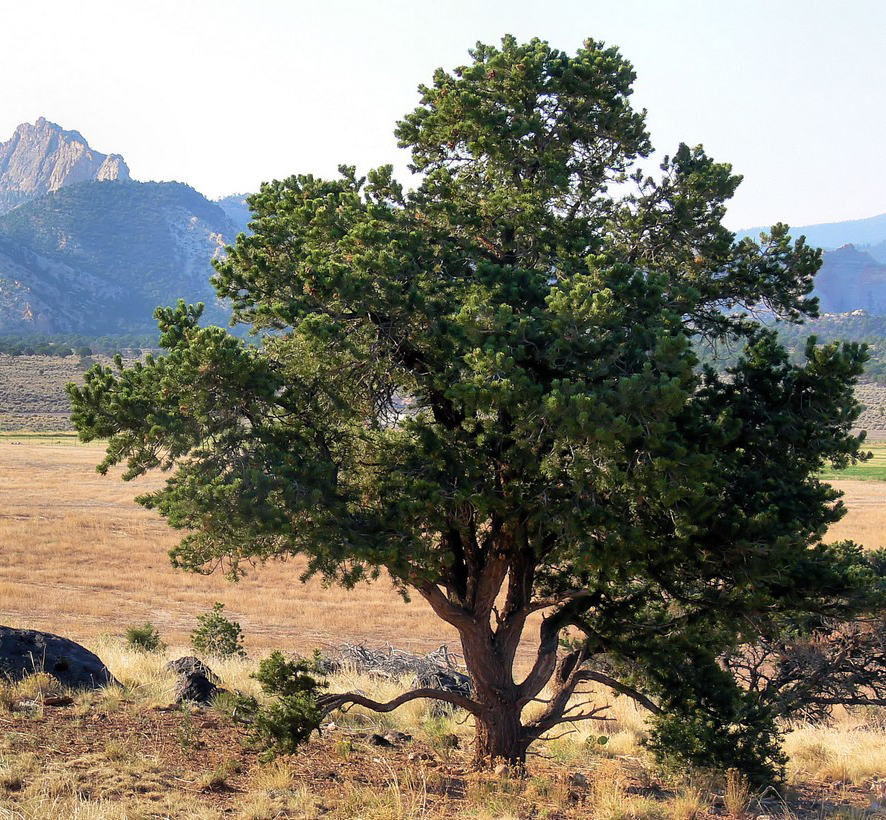
General Description
Although all of the species in its section of the pine genus are called pinyon pines this is the species most associated with the name.
Family Context
The Pinaceae family is widely distributed in the Northern Hemisphere. Notable medicinal members include:
- Longleaf Pine — 29 documented uses
- Chir Pine — 27 documented uses
- Silver-Fir — 20 documented uses
- Eastern White Pine — 14 documented uses
Geographic Distribution
Pinyon Pine has been recorded in 9 countries and territories worldwide, including Georgia, Hungary, Mexico, New Zealand, Russia, and others.
Traditional Uses
Pinyon Pine has been traditionally used for respiratory conditions, skin and wound care, and pain and inflammation, among other applications.
Respiratory conditions.
- Pneumonia
Respiratory conditions are addressed through steam inhalation of the herb’s vapors or internal use as a warm tea. The hot infusion acts as an expectorant, helping to loosen phlegm and clear congestion. Some traditions combine it with honey for coughs.
Skin and wound care.
- Wound
- Sore
- Boil
For skin conditions, the fresh or dried plant is applied topically as a poultice, wash, or compress. A strong decoction can be used to clean wounds and sores. The antimicrobial properties help prevent infection while promoting tissue repair.
Pain and inflammation.
- Swelling
For pain and inflammation, preparations are applied both topically as compresses and taken internally. A warm poultice draws blood to the area and promotes healing, while internal preparations address systemic inflammation.
Active Compounds
Phytochemical research has identified 30 compounds in this species, including a diverse array of phytochemical classes (see the Complete Chemical Inventory below for the full list).
The identified compounds include the following categories:
- Alkaloid: nitrogenous compounds with diverse pharmacological activities