Botanical Overview
Maranhao Jaborandi (Pilocarpus microphyllus) is a flowering plant in the Rutaceae family. This plant has earned a place in traditional medicine through its consistent therapeutic benefits, recorded across multiple cultures. The citrus family (Rutaceae) includes trees and shrubs with gland-dotted leaves that release aromatic oils when crushed. The flowers are typically white with four or five petals, and the fruits are often modified berries with a leathery rind. Most species produce alkaloids and limonoids with medicinal activity.
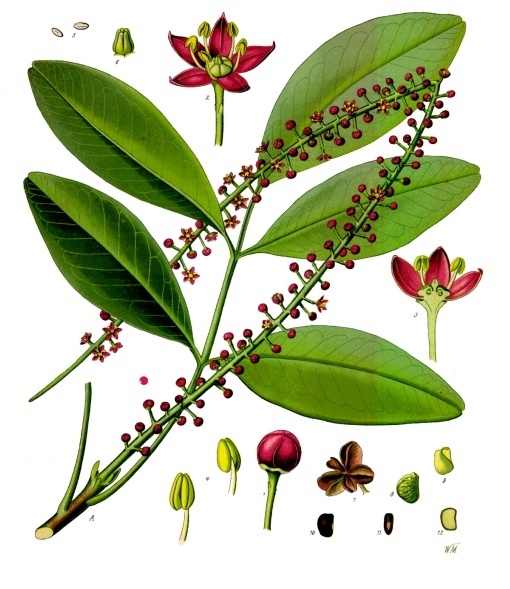
General Description
Commercial production of the alkaloid muscarinic receptor agonist pilocarpine is derived entirely from the leaves of the shrub.
Family Context
The Rutaceae family is primarily tropical and subtropical. Notable medicinal members include:
- Kabusu — 76 documented uses
- Petitgrain — 76 documented uses
- Rue — 54 documented uses
- Orange — 47 documented uses
Geographic Distribution
Maranhao Jaborandi has been recorded in Argentina, and Brazil.
Traditional Uses
Maranhao Jaborandi has been traditionally used for respiratory conditions, pain and inflammation, and nervous system disorders, among other applications.
Respiratory conditions.
- Expectorant
- Asthma
Respiratory conditions are addressed through steam inhalation of the herb’s vapors or internal use as a warm tea. The hot infusion acts as an expectorant, helping to loosen phlegm and clear congestion. Some traditions combine it with honey for coughs.
Pain and inflammation.
- Rheumatism
For pain and inflammation, preparations are applied both topically as compresses and taken internally. A warm poultice draws blood to the area and promotes healing, while internal preparations address systemic inflammation.
Nervous system disorders.
- Epilepsy
Nervous system support involves taking the herb as a warm tea, often in the evening or before bed. The calming compounds interact with neurotransmitter systems to promote relaxation and restful sleep.
Active Compounds
Phytochemical research has identified 17 compounds in this species, including a diverse array of phytochemical classes (see the Complete Chemical Inventory below for the full list).
The identified compounds include the following categories:
- Alkaloid: nitrogenous compounds with diverse pharmacological activities