Botanical Overview
White Spruce (Picea glauca) is a species in the Pinaceae family. The pine family (Pinaceae) includes coniferous trees with needle-like leaves arranged in bundles or spirally along the branches. They produce male and female cones and are wind-pollinated. The resin contains turpentine and other terpenes with traditional medicinal uses for respiratory conditions. Although comprehensive ethnobotanical records are limited, phytochemical studies have identified 7 compounds in this species, suggesting potential medicinal value.
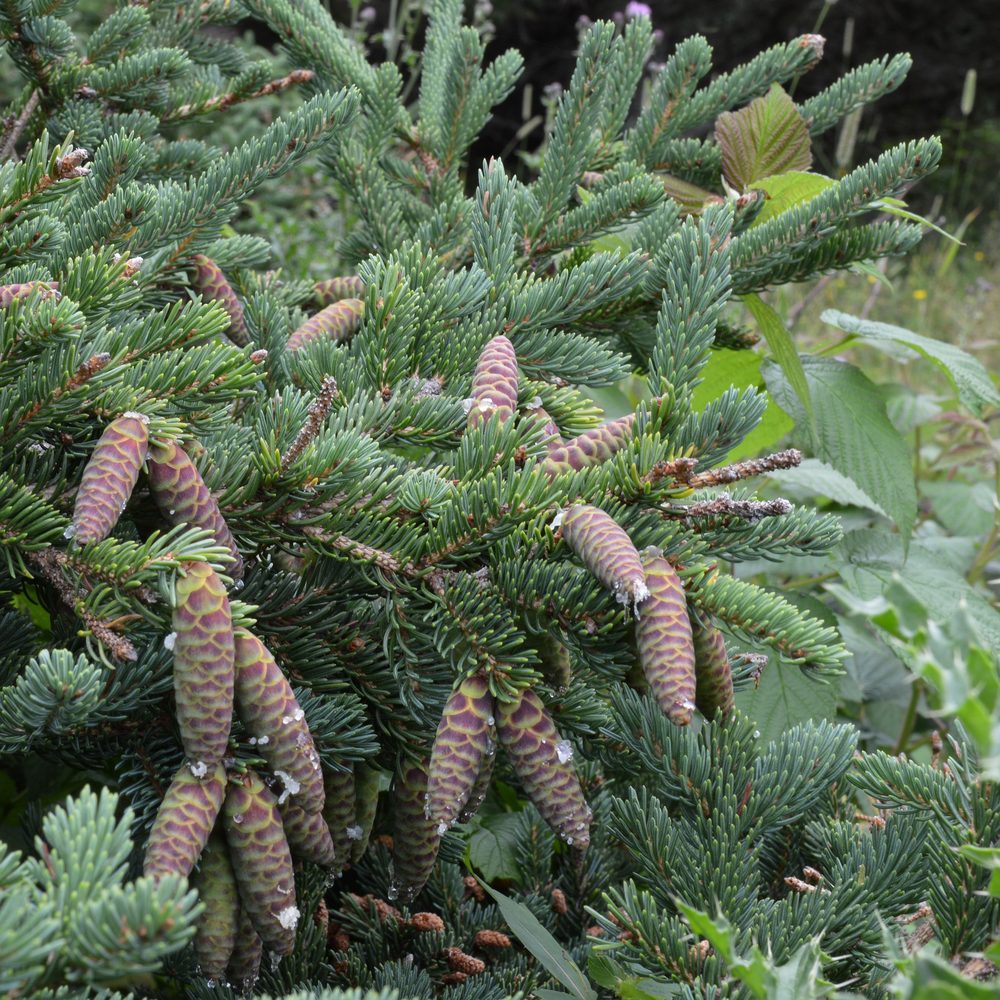
General Description
Picea glauca, the white spruce, is a species of spruce native to the northern temperate and boreal forests in Canada and United States, North America.
Family Context
The Pinaceae family is widely distributed in the Northern Hemisphere. Notable medicinal members include:
- Longleaf Pine — 29 documented uses
- Chir Pine — 27 documented uses
- Silver-Fir — 20 documented uses
- Pinyon Pine — 15 documented uses
Geographic Distribution
White Spruce has been recorded in 10 countries and territories worldwide, including Canada, Germany, Denmark, France, United Kingdom, and others.
Active Compounds
Phytochemical research has identified 7 compounds in this species, including a diverse array of phytochemical classes (see the Complete Chemical Inventory below for the full list).
The identified compounds include the following categories:
- Alkaloid: nitrogenous compounds with diverse pharmacological activities
Research Status
Although this species has documented phytochemical constituents, its ethnobotanical and clinical documentation remains incomplete. Systematic pharmacological studies are needed to validate the traditional uses attributed to this species.