Botanical Overview
EQUATORIAL IVORY PALM (Phytelephas aequatorialis) is a species in the Arecaceae family. The palm family (Arecaceae) includes trees, shrubs, and climbers with unbranched stems topped by a crown of large, compound, evergreen leaves. The flowers are small and clustered on branched inflorescences, and the fruits are typically drupes. Palms provide oils, waxes, and other useful products. Although comprehensive ethnobotanical records are limited, phytochemical studies have identified 18 compounds in this species, suggesting potential medicinal value.
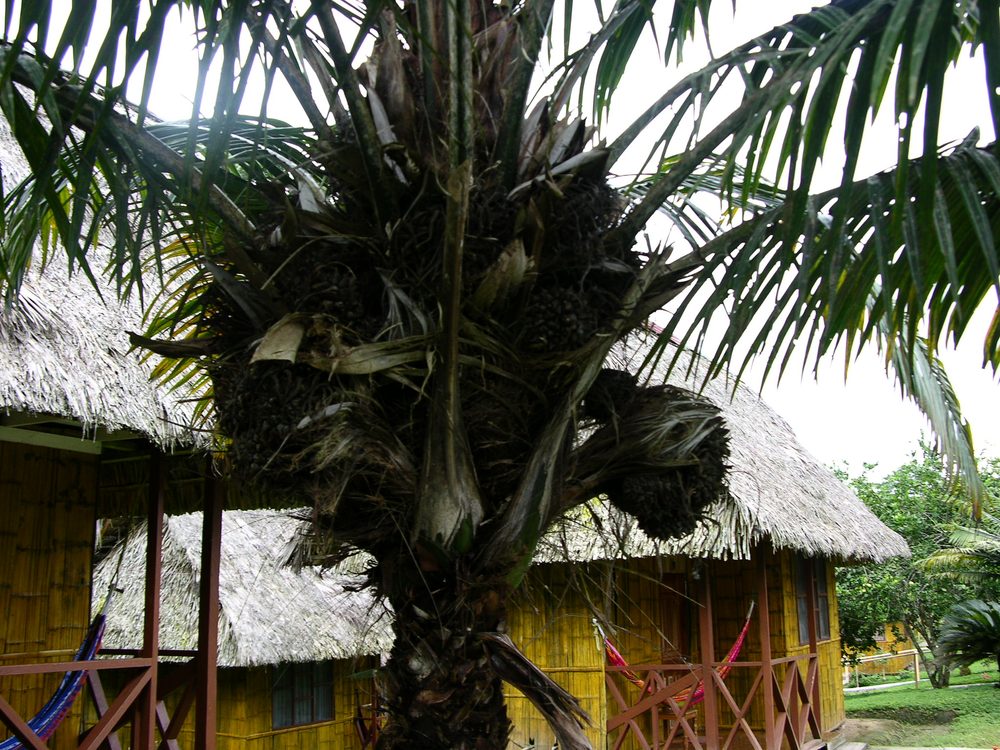
General Description
It is found in the tropical rainforests of the western Andean slopes of Ecuador. It has a woody trunk which can grow to 20 metres (66 ft) tall, and has very long pinnate leaves.
Family Context
The Arecaceae family is primarily tropical and subtropical. Notable medicinal members include:
- Coconut — 93 documented uses
- Betel Nut — 52 documented uses
- Date Palm — 42 documented uses
- Dragon’s Blood — 13 documented uses
Geographic Distribution
EQUATORIAL IVORY PALM has been recorded in Cameroon, China, Costa Rica, Ecuador, and United States.
Active Compounds
Phytochemical research has identified 18 compounds in this species, including a diverse array of phytochemical classes (see the Complete Chemical Inventory below for the full list).
Research Status
Although this species has documented phytochemical constituents, its ethnobotanical and clinical documentation remains incomplete. Further ethnobotanical and pharmacological research may reveal additional therapeutic applications for this species.