Botanical Overview
Tomatillo (Physalis ixocarpa) belongs to the Solanaceae family. While not among the most extensively documented medicinal plants, this species has recorded uses that warrant attention from researchers and practitioners. The nightshade family (Solanaceae) includes herbs, shrubs, and small trees with alternate leaves and star-shaped or trumpet-shaped flowers. The fruits are typically berries or capsules. Many species produce potent alkaloids including tropanes, solanines, and nicotine, making this family both medicinally valuable and potentially toxic.
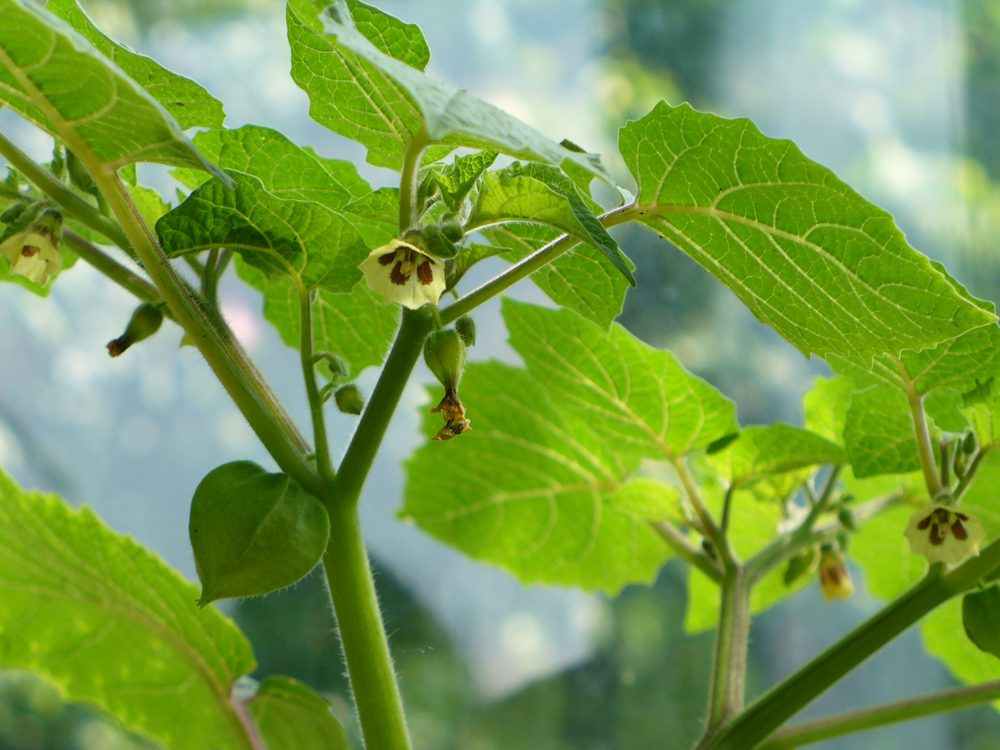
General Description
Tomatillos originated in Mexico and were cultivated in the pre-Columbian era. A staple of Mexican cuisine, they are eaten both raw and cooked in a variety of dishes, notably salsa verde. The tomatillo is a perennial plant, but is generally grown for agriculture each year as if it were an annual.
Family Context
The Solanaceae family is widely distributed worldwide. Notable medicinal members include:
- Black Nightshade — 100 documented uses
- Tobacco — 80 documented uses
- Jimsonweed — 66 documented uses
- Hindu Datura — 65 documented uses
Geographic Distribution
Tomatillo has been recorded in 10 countries and territories worldwide, including Australia, Belgium, Estonia, Spain, United Kingdom, and others.
Traditional Uses
Tomatillo has been traditionally used for metabolic and nutritional health.
Metabolic and nutritional health.
- Diabetes
Metabolic applications include consuming the plant as a food, fresh juice, or herbal infusion. Regular use supports the body’s natural metabolic processes and nutritional status.
Active Compounds
Phytochemical research has identified 30 compounds in this species, including a diverse array of phytochemical classes (see the Complete Chemical Inventory below for the full list).
The identified compounds include the following categories:
- Terpene: aromatic compounds with anti-inflammatory and antimicrobial properties