Botanical Overview
Palta De Monte (Persea schiedeana) is a species in the Lauraceae family. The laurel family (Lauraceae) includes trees and shrubs with aromatic, leathery leaves that are typically alternate. The flowers are small and greenish, and the fruits are drupes or berries. Many species produce essential oils rich in aromatic compounds like camphor and eucalyptol. Although comprehensive ethnobotanical records are limited, phytochemical studies have identified 13 compounds in this species, suggesting potential medicinal value.
General Description
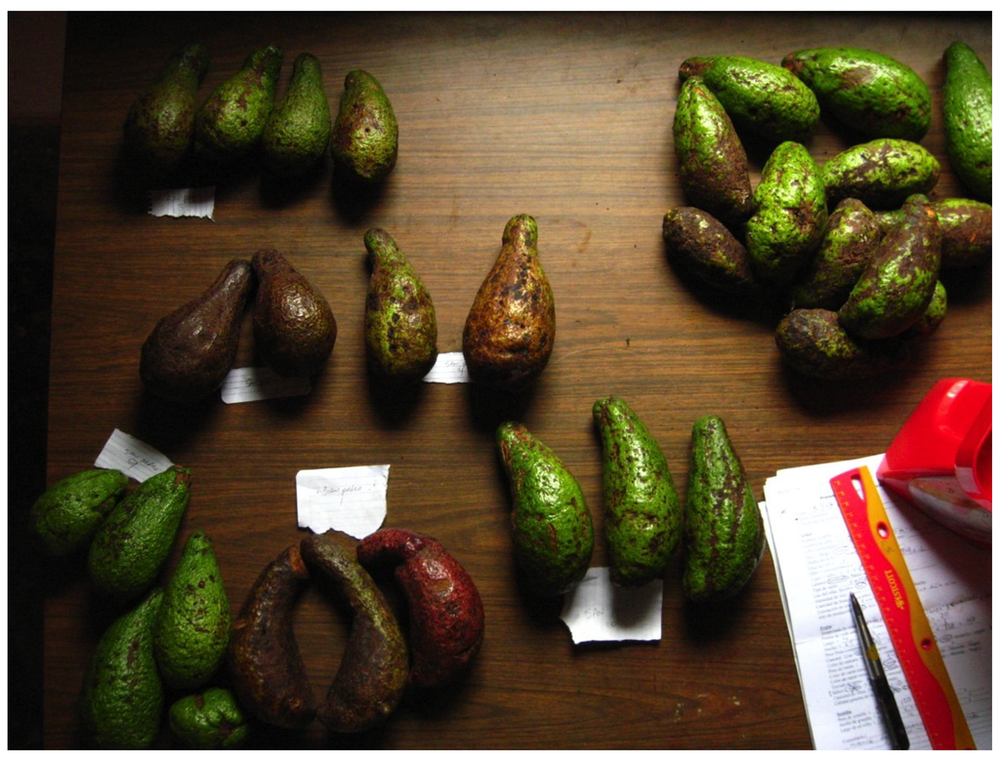
Its edible fruit resembles that of the avocado (Persea americana), a related tree in the genus Persea. Other common names include aguacate de montaña, aguacatón, chinini, chupte and yas. Coyo is native to eastern and southern Mexico, parts of Central America, and Colombia. It occurs at elevations up to 2800 meters in lowlands and montane tropical forests. It is cultivated for fruit and used as graft stock for common avocado. The tree grows to about 20 m high, occasionally reaching 50 m. Young branches are very hairy. The leaves are deciduous and the flowers are light greenish-yellow, with the stamens turning red with age. The fruit, closely resembling that of the avocado, is generally pear-shaped, with a thick, green, leathery skin. The flesh is oily with a milky juice and tastes like an avocado or coconut. The pear-shaped fruit is easily mistaken for an avocado. However, it contains a much larger central seed. The flesh has stone cells and a gritty texture that is generally considered unfavourable for edible consumption, despite its appealing taste. The cotyledons, unlike those of the avocado, are pink internally. The seeds of the tree are dispersed by wild animals that eat the fruit, including tepezcuintle (Cuniculus paca), tejón coati (Nasua narica) and agoutis (Dasyprocta sp. ). This species is considered to be endangered due to loss of habitat as forests are cleared for agriculture.
Family Context
The Lauraceae family is primarily tropical and subtropical. Notable medicinal members include:
- Avocado — 53 documented uses
- Sassafras — 46 documented uses
- Camphor — 42 documented uses
- Cinnamon — 26 documented uses
Geographic Distribution
Palta De Monte has been recorded in 10 countries and territories worldwide, including Argentina, Belize, Colombia, Costa Rica, Guatemala, and others.
Active Compounds
Phytochemical research has identified 13 compounds in this species, including a diverse array of phytochemical classes (see the Complete Chemical Inventory below for the full list).
The identified compounds include the following categories:
- Alkaloid: nitrogenous compounds with diverse pharmacological activities
Research Status
Although this species has documented phytochemical constituents, its ethnobotanical and clinical documentation remains incomplete. The limited documentation available for this species represents an opportunity for ethnobotanical research.