Botanical Overview
Barbados Gooseberry (Pereskia aculeata) is a species in the Cactaceae family. The cactus family (Cactaceae) includes succulent plants with thick, fleshy stems modified for water storage and spines instead of leaves. The flowers are typically large, showy, and short-lived with numerous petals and stamens. Many species produce alkaloids and have traditional medicinal uses. Although comprehensive ethnobotanical records are limited, phytochemical studies have identified 15 compounds in this species, suggesting potential medicinal value.
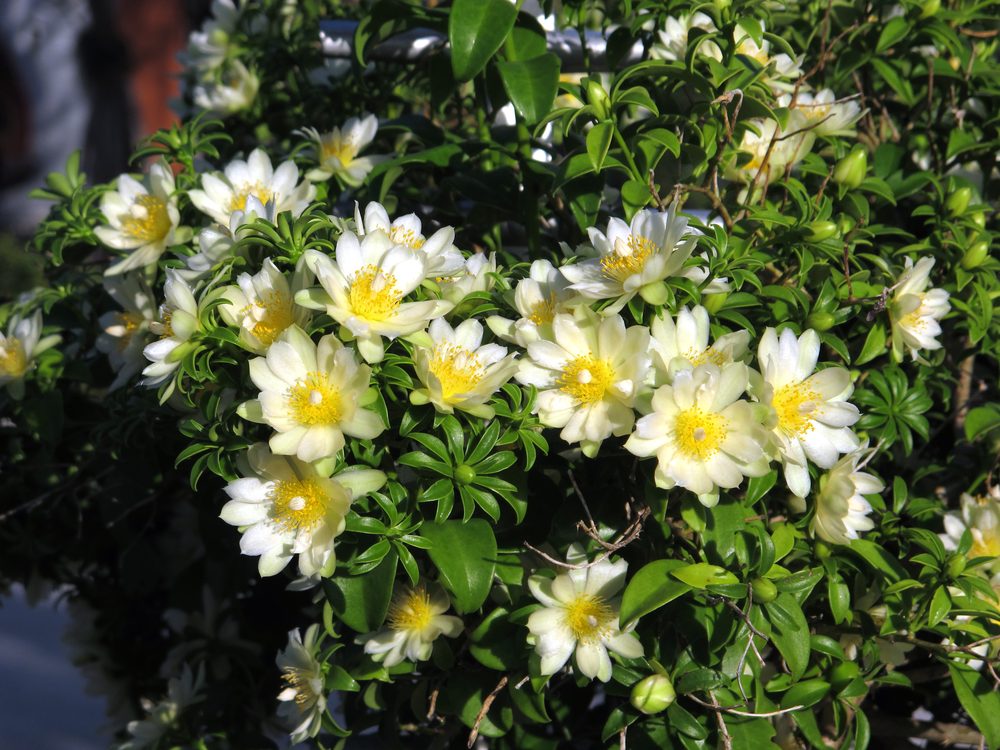
General Description
Common names include Barbados gooseberry, blade-apple cactus, leaf cactus, rose cactus, and lemonvine. It is native to tropical America. The leaves and fruits are edible, containing high quantities of protein, iron and other nutrients, and it is a popular vegetable in parts of the Brazilian state of Minas Gerais under the name of ora-pro-nóbis.
Family Context
The Cactaceae family is widely distributed. Notable medicinal members include:
- Peyote — 19 documented uses
- Indian Fig — 19 documented uses
- Night-Blooming Cereus — 9 documented uses
- Night-Blooming Cereus — 3 documented uses
Geographic Distribution
Barbados Gooseberry has been recorded in 10 countries and territories worldwide, including Argentina, Australia, Bolivia, Brazil, Cuba, and others.
Active Compounds
Phytochemical research has identified 15 compounds in this species, including a diverse array of phytochemical classes (see the Complete Chemical Inventory below for the full list).
The identified compounds include the following categories:
- Alkaloid: nitrogenous compounds with diverse pharmacological activities
Research Status
Although this species has documented phytochemical constituents, its ethnobotanical and clinical documentation remains incomplete. Systematic pharmacological studies are needed to validate the traditional uses attributed to this species.