Botanical Overview
Commonly known as Opium Poppy, this species belongs to the Papaveraceae family. This well-documented medicinal plant appears in the pharmacopoeias of numerous traditional systems, valued for its broad therapeutic range. The poppy family (Papaveraceae) includes herbs with milky or colored sap and showy flowers with two or three sepals that fall off as the flower opens. The fruits are capsules with many small seeds. This family produces benzylisoquinoline alkaloids including morphine, codeine, and sanguinarine.
General Description
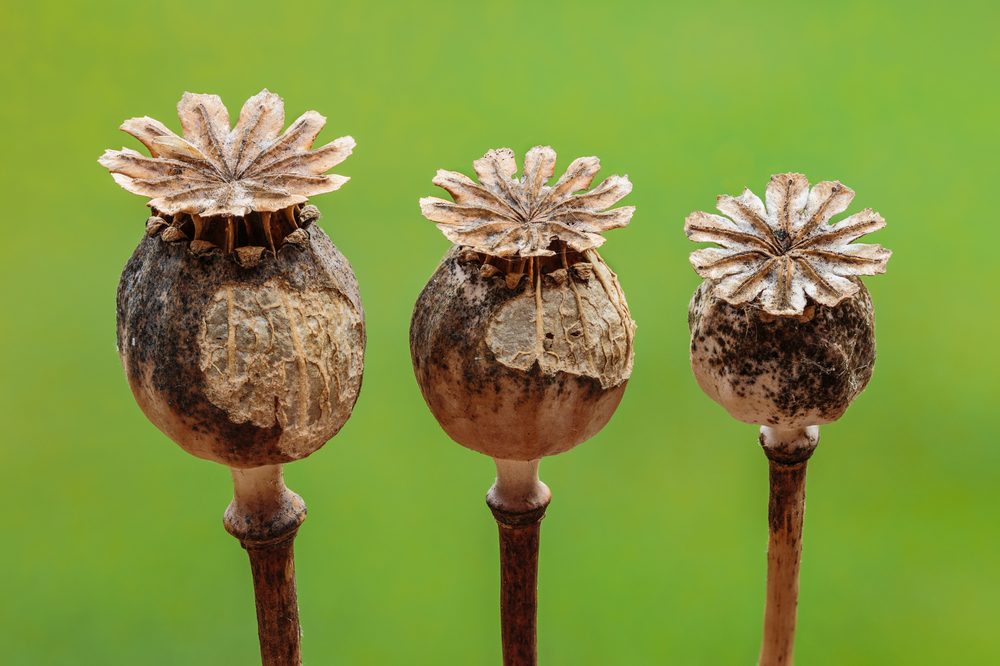
It is the species of plant from which both opium and poppy seeds are derived and is also a valuable ornamental plant grown in gardens. Its native range is the western Mediterranean region, but has since been obscured by widespread introduction and cultivation since ancient times to the present day. It is now naturalised across much of the world with temperate climates.
Family Context
The Papaveraceae family is widely distributed. Notable medicinal members include:
- Prickly Poppy — 45 documented uses
- Tree Poppy — 30 documented uses
- Bloodroot — 26 documented uses
- Celandine — 24 documented uses
Geographic Distribution
Opium Poppy has been recorded in 10 countries and territories worldwide, including Belgium, Germany, Spain, France, United Kingdom, and others.
Traditional Uses
Opium Poppy has been traditionally used for digestive health, respiratory conditions, and pain and inflammation, among other applications.
Digestive health.
- Diarrhea
- Dysentery
- Ache(Stomach)
For digestive complaints, the herb is typically prepared as a tea or decoction taken before meals. The bitter compounds stimulate digestive secretions and improve nutrient absorption. Some traditions use the powdered root or leaves in small doses as a stomachic tonic.
Respiratory conditions.
- Catarrh
- Asthma
- Cough
Respiratory conditions are addressed through steam inhalation of the herb’s vapors or internal use as a warm tea. The hot infusion acts as an expectorant, helping to loosen phlegm and clear congestion. Some traditions combine it with honey for coughs.
Pain and inflammation.
- Anodyne
- Ache(Head)
- Swelling
For pain and inflammation, preparations are applied both topically as compresses and taken internally. A warm poultice draws blood to the area and promotes healing, while internal preparations address systemic inflammation.
Active Compounds
Phytochemical research has identified 30 compounds in this species, including a diverse array of phytochemical classes (see the Complete Chemical Inventory below for the full list).
The identified compounds include the following categories:
- Alkaloid: nitrogenous compounds with diverse pharmacological activities