Botanical Overview
Great Scarlet Poppy (Papaver bracteatum) is a species in the Papaveraceae family. The poppy family (Papaveraceae) includes herbs with milky or colored sap and showy flowers with two or three sepals that fall off as the flower opens. The fruits are capsules with many small seeds. This family produces benzylisoquinoline alkaloids including morphine, codeine, and sanguinarine. Although comprehensive ethnobotanical records are limited, phytochemical studies have identified 30 compounds in this species, suggesting potential medicinal value.
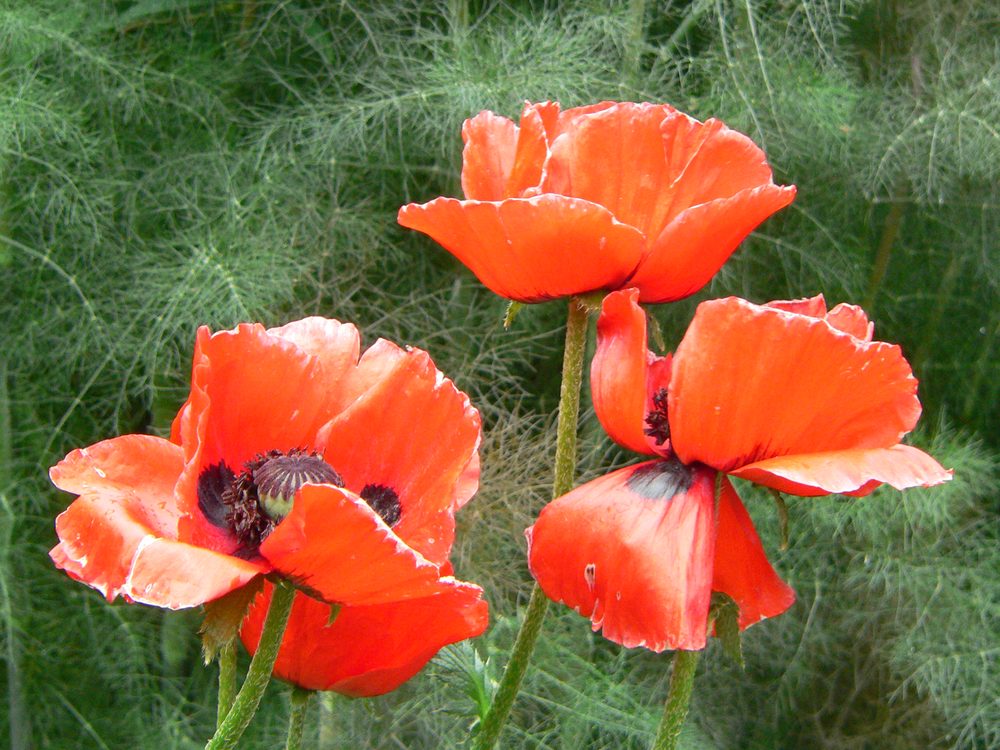
General Description
N. Saharghi and Iraj Lalezari Nature 213, 1244, 1967 doi:10. 1038/2131244a0 ) is a sturdy hardy perennial poppy with large deep red flowers up to 8 inches (20 cm) in diameter on stiff stalks up to 4 feet (1. 22 metres) high with a prominent black spot near the base of the petals. It is closely related to the commonly cultivated oriental poppy, Papaver orientale and is sometimes recorded as the varietal form Papaver orientale var. bracteatum.
Family Context
The Papaveraceae family is widely distributed. Notable medicinal members include:
- Opium Poppy — 69 documented uses
- Prickly Poppy — 45 documented uses
- Tree Poppy — 30 documented uses
- Bloodroot — 26 documented uses
Geographic Distribution
Great Scarlet Poppy has been recorded in 10 countries and territories worldwide, including Armenia, Austria, Belgium, Germany, Iran, and others.
Active Compounds
Phytochemical research has identified 30 compounds in this species, including a diverse array of phytochemical classes (see the Complete Chemical Inventory below for the full list).
The identified compounds include the following categories:
- Alkaloid: nitrogenous compounds with diverse pharmacological activities
Research Status
Although this species has documented phytochemical constituents, its ethnobotanical and clinical documentation remains incomplete. Further ethnobotanical and pharmacological research may reveal additional therapeutic applications for this species.