Botanical Overview
Guinea grass (Panicum maximum) belongs to the Poaceae family. Limited but reliable traditional records indicate this plant has recognized medicinal applications in one or more healing traditions. The grass family (Poaceae) includes annual and perennial herbs with hollow, jointed stems and narrow leaves with parallel venation. The flowers are reduced and arranged in spikelets, and the fruits are grains (caryopses). This family provides the majority of the world’s food calories through cereals.
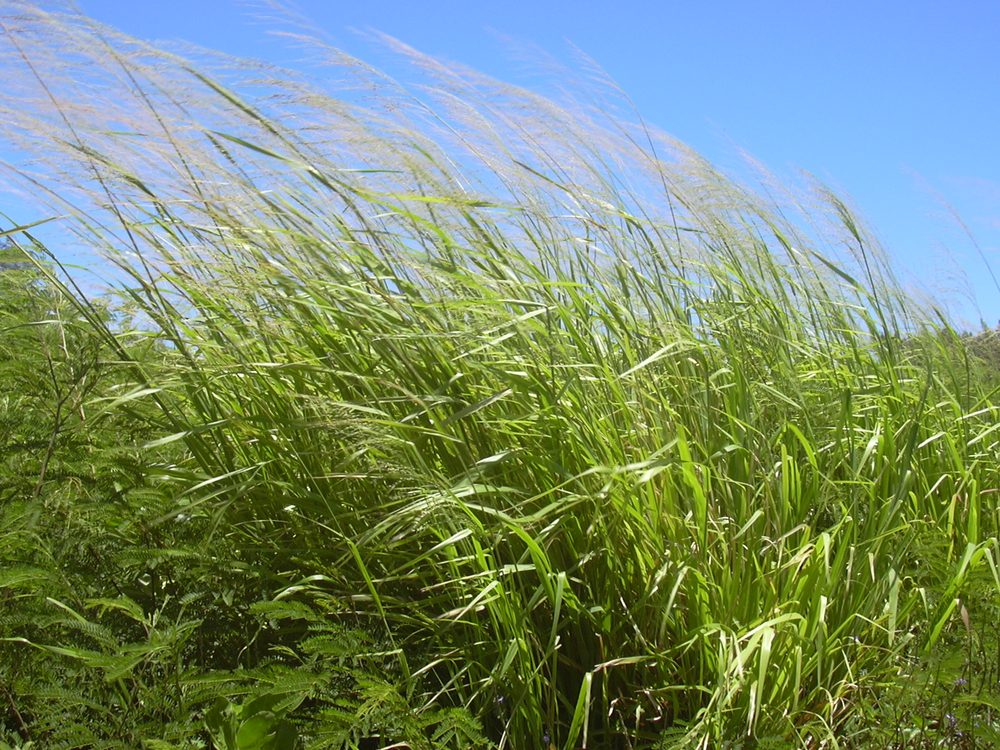
General Description
It has been introduced in the tropics around the world. It has previously been called Urochloa maxima and Panicum maximum. It was moved to the genus Megathyrsus in 2003.
Family Context
The Poaceae family is very large and globally distributed. Notable medicinal members include:
- Adlay — 54 documented uses
- Corn — 51 documented uses
- Rice — 47 documented uses
- West Indian Lemongrass — 43 documented uses
Geographic Distribution
Guinea grass has been recorded in 10 countries and territories worldwide, including Benin, Brazil, Congo (DRC), Mexico, Mozambique, and others.
Traditional Uses
Guinea grass has been traditionally used for urinary tract health.
Urinary tract health.
- Diuretic
Urinary tract applications typically involve drinking the herb as a mild tea, which increases urine production and helps flush the urinary system. It may be combined with other demulcent herbs to soothe irritated tissues.
Active Compounds
Phytochemical research has identified 19 compounds in this species, including a diverse array of phytochemical classes (see the Complete Chemical Inventory below for the full list).
The identified compounds include the following categories:
- Alkaloid: nitrogenous compounds with diverse pharmacological activities