Botanical Overview
Paeonia japonica belongs to the Paeoniaceae family. While not among the most extensively documented medicinal plants, this species has recorded uses that warrant attention from researchers and practitioners. This species belongs to the Paeoniaceae family, a group of flowering plants.
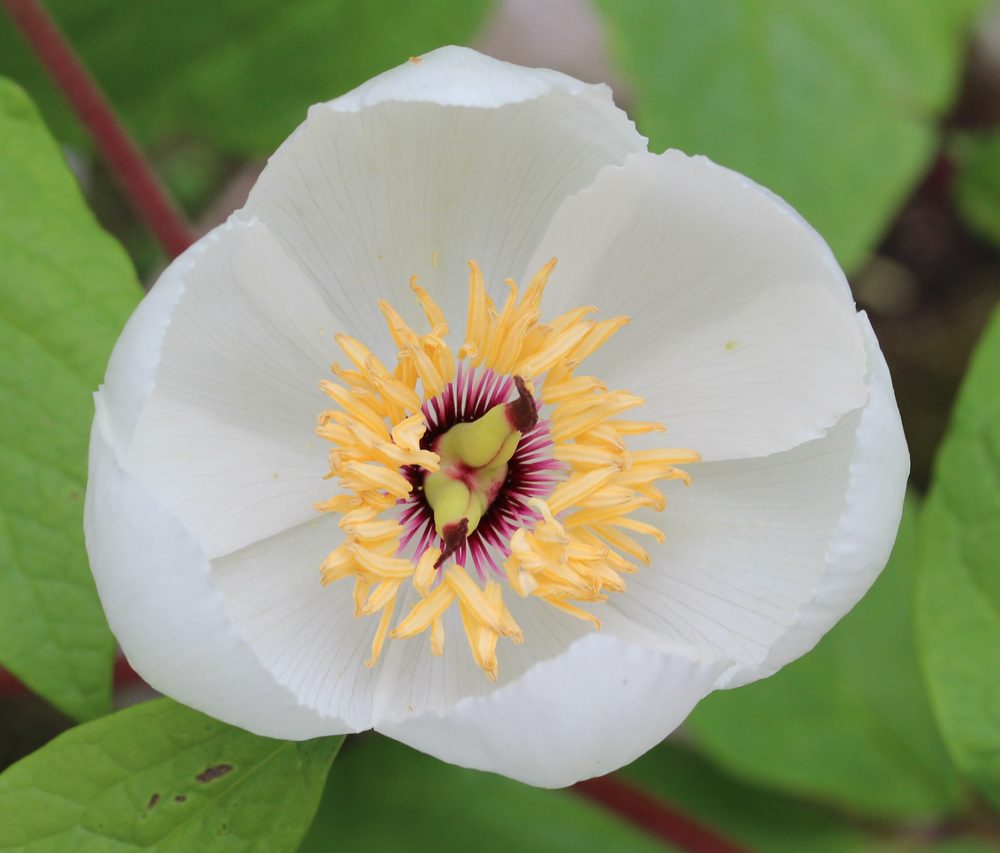
General Description
It has white, pink or purple-red flowers and its lower leaves consist of no more than nine leaflets or segments. In English it is sometimes called woodland peony. It grows naturally in warm-temperate to cold China, including Manchuria, and in Korea, Japan, Far Eastern Russia and on Sakhalin.
Family Context
The Paeoniaceae family is widely distributed. Notable medicinal members include:
- Double Peony — 21 documented uses
- Moutan — 18 documented uses
- Moutan — 14 documented uses
- Chih-Shao — 11 documented uses
Geographic Distribution
Paeonia japonica has been recorded in 6 countries and territories worldwide, including China, Japan, North Korea, South Korea, Russia, and others.
Traditional Uses
Paeonia japonica has been traditionally used for pain and inflammation.
Pain and inflammation.
- Anodyne
For pain and inflammation, preparations are applied both topically as compresses and taken internally. A warm poultice draws blood to the area and promotes healing, while internal preparations address systemic inflammation.
Active Compounds
Phytochemical research has identified 1 compound in this species: betulinic-acid.