Botanical Overview
Provision Tree (Pachira aquatica) belongs to the Bombacaceae family. While not among the most extensively documented medicinal plants, this species has recorded uses that warrant attention from researchers and practitioners. This species belongs to the Bombacaceae family, a group of flowering plants.
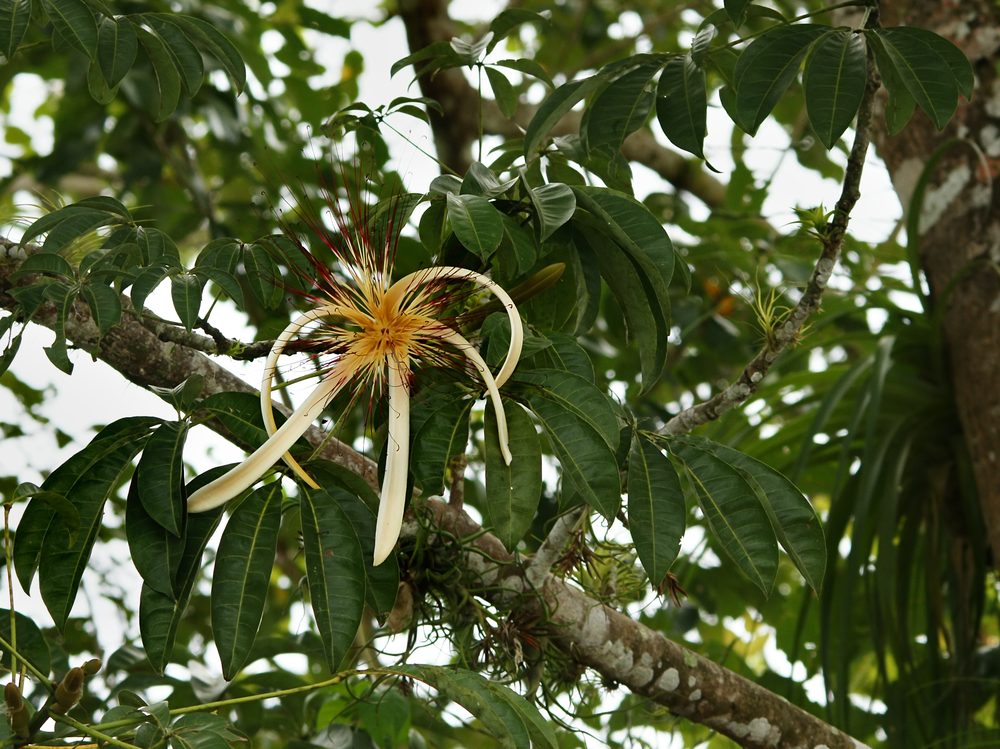
General Description
It is known by its common names Malabar chestnut, French peanut, Guiana chestnut, provision tree, Saba nut, Monguba (Brazil), Pumpo (Guatemala) and Jelinjoche (Costa Rica) and is commercially sold under the names money tree and money plant. This tree is sometimes sold with a braided trunk and is commonly grown as a houseplant, although more commonly what is sold as a “Pachira aquatica” houseplant is in fact a similar species, Pachira glabra.
Family Context
The Bombacaceae family is widely distributed. Notable medicinal members include:
- Kapok — 34 documented uses
- Adansonia digitata — 15 documented uses
- Durian — 6 documented uses
- Large-Fruited Provision Tree — 2 documented uses
Geographic Distribution
Provision Tree has been recorded in 10 countries and territories worldwide, including Brazil, Belize, Colombia, Costa Rica, Ecuador, and others.
Traditional Uses
Provision Tree has been traditionally used for nervous system disorders and metabolic and nutritional health.
Nervous system disorders.
- Narcotic
Nervous system support involves taking the herb as a warm tea, often in the evening or before bed. The calming compounds interact with neurotransmitter systems to promote relaxation and restful sleep.
Metabolic and nutritional health.
- Diabetes
Metabolic applications include consuming the plant as a food, fresh juice, or herbal infusion. Regular use supports the body’s natural metabolic processes and nutritional status.
Active Compounds
Phytochemical research has identified 9 compounds in this species, including a diverse array of phytochemical classes (see the Complete Chemical Inventory below for the full list).
The identified compounds include the following categories:
- Sterol: cholesterol-like compounds with anti-inflammatory properties
- Tannin: astringent compounds that tighten tissues and resist infection