Botanical Overview
Oca (Oxalis tuberosa) is a species in the Oxalidaceae family. This species belongs to the Oxalidaceae family, a group of flowering plants. Although comprehensive ethnobotanical records are limited, phytochemical studies have identified 15 compounds in this species, suggesting potential medicinal value.
General Description
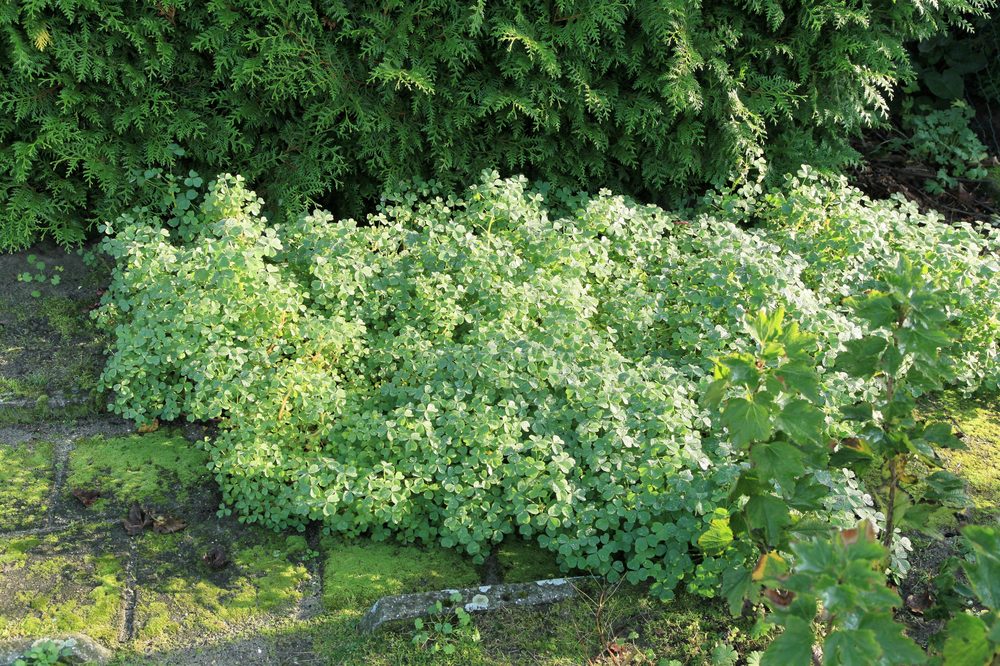
These tubers are known as uqa in Quechua, oca in Spanish, yams in New Zealand and several other alternative names. The plant was brought into cultivation in the central and southern Andes for its tubers, which are used as a root vegetable. The plant is not known in the wild, but populations of wild Oxalis species that bear smaller tubers are known from four areas of the central Andean region. Oca was introduced to Europe in 1830 as a competitor to the potato, and to New Zealand as early as 1860. In New Zealand, oca has become a popular table vegetable and is called yams (although not a true yam). It is available in various colors, including yellow, orange, pink, apricot, and traditional red.
Family Context
The Oxalidaceae family is widely distributed. Notable medicinal members include:
Geographic Distribution
Oca has been recorded in 10 countries and territories worldwide, including Argentina, Belgium, Bolivia, Chile, Colombia, and others.
Active Compounds
Phytochemical research has identified 15 compounds in this species, including a diverse array of phytochemical classes (see the Complete Chemical Inventory below for the full list).
The identified compounds include the following categories:
- Alkaloid: nitrogenous compounds with diverse pharmacological activities
Research Status
Although this species has documented phytochemical constituents, its ethnobotanical and clinical documentation remains incomplete. The limited documentation available for this species represents an opportunity for ethnobotanical research.