Botanical Overview
Mai-Men-Dong (Ophiopogon japonicus) is a flowering plant in the Liliaceae family. The traditional uses of this species reflect its genuine medicinal value, validated by generations of practical experience. The lily family (Liliaceae) includes bulbous herbs with erect stems, alternate leaves, and showy six-parted flowers with prominent stamens. The underground bulbs serve as storage organs rich in carbohydrates. Many species contain steroidal saponins and alkaloids with medicinal properties.
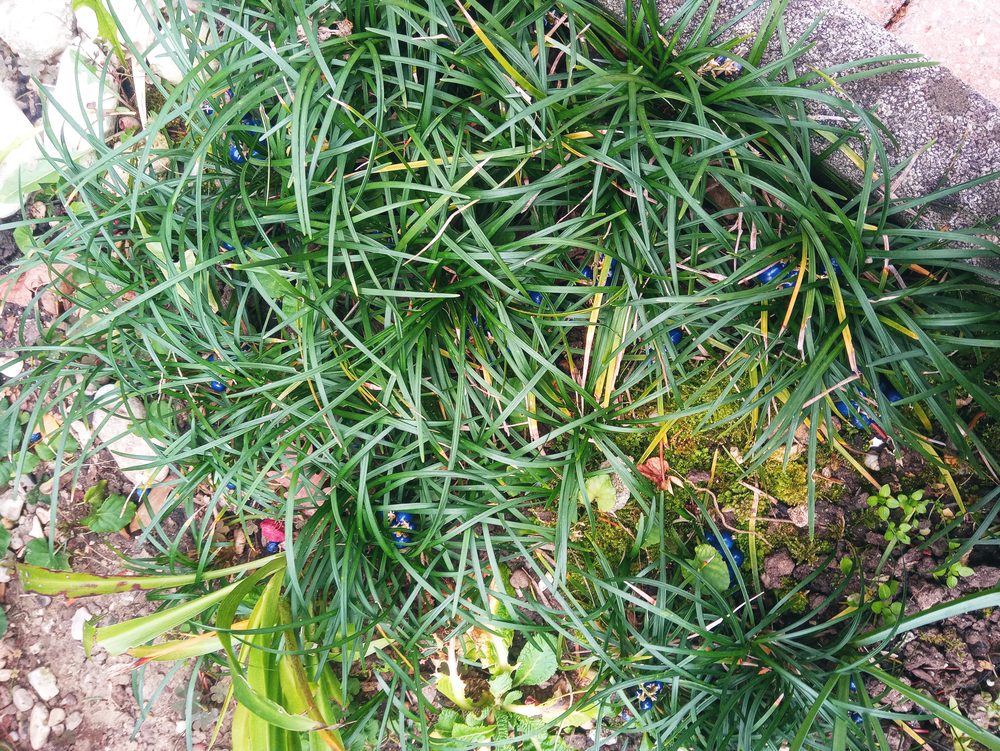
General Description
Ophiopogon japonicus (dwarf lilyturf, mondograss, fountainplant, monkeygrass; Japanese: リュウノヒゲ ryū-no-hige or ジャノヒゲ ja-no-hige is a species of Ophiopogon native to China, India, Japan, Nepal, and Vietnam.
Family Context
The Liliaceae family is widely distributed in temperate regions. Notable medicinal members include:
- Onion — 72 documented uses
- American Hellebore — 52 documented uses
- Glory Lily — 36 documented uses
- Asparagus — 31 documented uses
Geographic Distribution
Mai-Men-Dong has been recorded in 10 countries and territories worldwide, including Brazil, China, Spain, Japan, South Korea, and others.
Traditional Uses
Mai-Men-Dong has been traditionally used for respiratory conditions, fever management, and metabolic and nutritional health, among other applications.
Respiratory conditions.
- Cough
- Expectorant
- Bronchitis
Respiratory conditions are addressed through steam inhalation of the herb’s vapors or internal use as a warm tea. The hot infusion acts as an expectorant, helping to loosen phlegm and clear congestion. Some traditions combine it with honey for coughs.
Fever management.
- Fever
Febrifuge preparations are typically administered as hot teas to induce perspiration, which helps the body regulate temperature. The patient is kept warm and encouraged to rest while the herb promotes sweating.
Metabolic and nutritional health.
- Tonic
Metabolic applications include consuming the plant as a food, fresh juice, or herbal infusion. Regular use supports the body’s natural metabolic processes and nutritional status.
Active Compounds
Phytochemical research has identified 30 compounds in this species, including a diverse array of phytochemical classes (see the Complete Chemical Inventory below for the full list).
The identified compounds include the following categories:
- Flavonoid: antioxidant compounds that protect cells from oxidative damage
- Sterol: cholesterol-like compounds with anti-inflammatory properties