Botanical Overview
Olive (Olea europaea subsp. europaea) is a flowering plant in the Oleaceae family. Traditional medicine systems have documented several valuable applications for this species, supported by its observed therapeutic effects. The olive family (Oleaceae) includes trees and shrubs with opposite leaves and small, four-petaled flowers that are often fragrant. The fruits are drupes, capsules, or samaras. This family includes olive, ash, jasmine, and lilac, many with medicinal and aromatic uses.
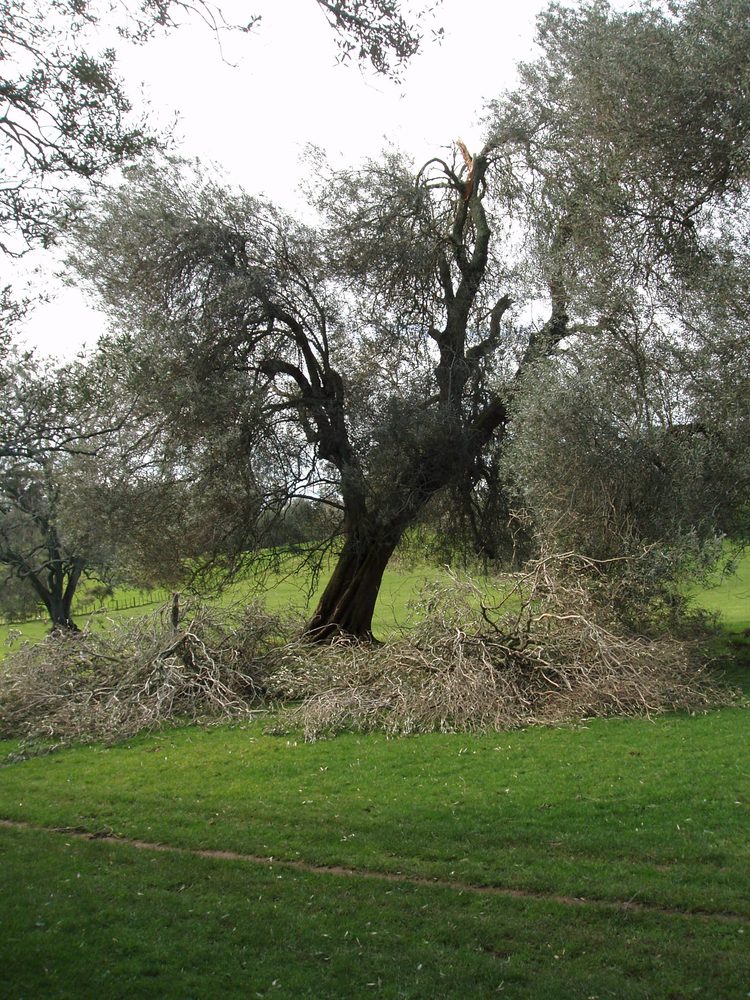
General Description
europaea, with many synonyms including Olea oleaster and Olea europaea var. sylvestris, is a subspecies of the olive tree, Olea europea. Originating in the Mediterranean Basin, it is considered an ancestor to the modern olive, which was likely domesticated during the fourth and third millennia BCE from multiple local populations. The wild olive (Ancient Greek κότινος / kótinos), which ancient Greeks distinguished from the cultivated olive (ἐλαία / ἐλἀα), was used to fashion the olive wreath awarded victors at the ancient Olympic games. The ancient and sacred wild olive tree of Olympia stood near the Temple of Zeus, patron of the games. Due to natural hybridisation and the very ancient domestication and extensive cultivation of the olive throughout the Mediterranean Basin, wild-growing feral forms of olive, called “oleaster”, constitute a complex assortment of populations, potentially ranging from feral forms to the wild olive. The wild olive is characteristic of the maquis shrubland, itself partly the result of centuries, if not millennia, of human propagation. The drought-tolerant sclerophyllous tree is believed to have originated in the eastern Mediterranean Basin; it still provides the hardy and disease-resistant rootstock on which cultivated olive varieties are grafted.
Family Context
The Oleaceae family is widely distributed. Notable medicinal members include:
- Lian-Jiao — 43 documented uses
- Jasmine — 29 documented uses
- Jasminum sambac — 27 documented uses
- Chinese Privet — 25 documented uses
Geographic Distribution
Olive has been recorded in 10 countries and territories worldwide, including Australia, Algeria, Spain, France, Greece, and others.
Traditional Uses
Olive has been traditionally used for urinary tract health, nervous system disorders, and fever management, among other applications.
Urinary tract health.
- Diuretic
Urinary tract applications typically involve drinking the herb as a mild tea, which increases urine production and helps flush the urinary system. It may be combined with other demulcent herbs to soothe irritated tissues.
Nervous system disorders.
- Sedative
Nervous system support involves taking the herb as a warm tea, often in the evening or before bed. The calming compounds interact with neurotransmitter systems to promote relaxation and restful sleep.
Fever management.
- Fever
Febrifuge preparations are typically administered as hot teas to induce perspiration, which helps the body regulate temperature. The patient is kept warm and encouraged to rest while the herb promotes sweating.
Active Compounds
Phytochemical research has identified 30 compounds in this species, including a diverse array of phytochemical classes (see the Complete Chemical Inventory below for the full list).
The identified compounds include the following categories:
- Flavonoid: antioxidant compounds that protect cells from oxidative damage