Botanical Overview
Javan Water Dropwort (Oenanthe javanica) is a species in the Apiaceae family. The carrot family (Apiaceae) includes herbs with hollow stems, alternate leaves, and distinctive umbrella-shaped flower clusters called umbels. Many species have aromatic roots and seeds used as culinary spices and medicines. The family includes both nutritious vegetables and highly toxic species. Although comprehensive ethnobotanical records are limited, phytochemical studies have identified 27 compounds in this species, suggesting potential medicinal value.
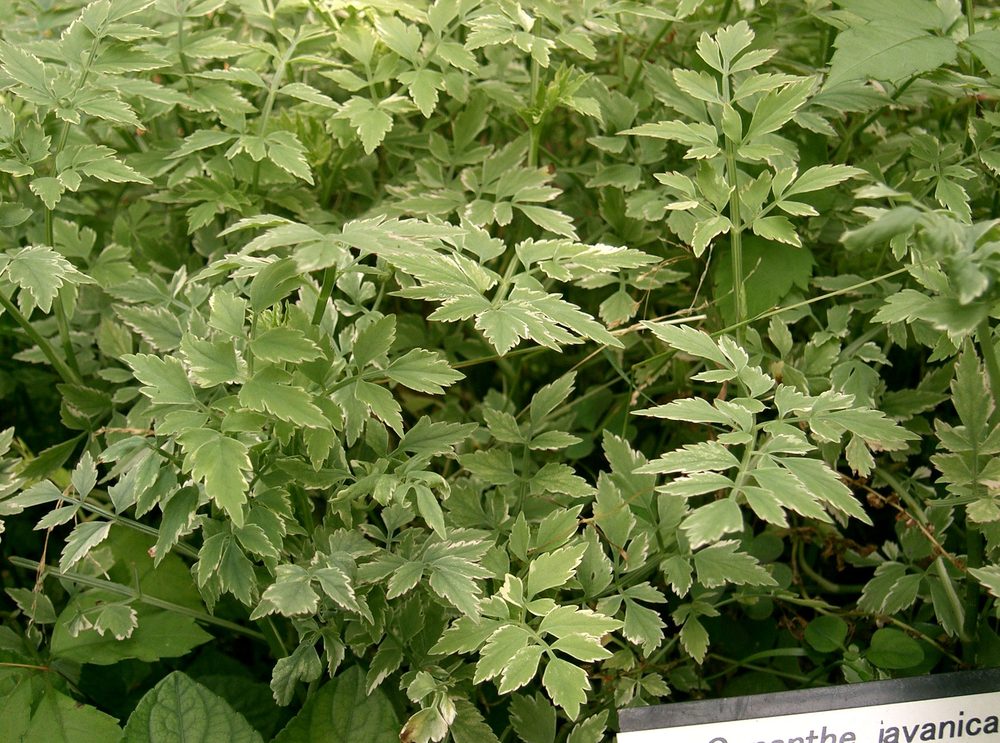
General Description
It has a widespread native distribution in temperate Asia and tropical Asia, and is also native to Queensland, Australia. This plant should not be confused with the plants of the genus Cryptotaenia, sometimes called “Japanese wild parsley” (mitsuba in Japanese), Apium graveolens var. secalinum which is also called “Chinese celery”, or other plants called “water dropwort” and “water celery”.
Family Context
The Apiaceae family is widely distributed in temperate regions. Notable medicinal members include:
- Fennel — 60 documented uses
- Coriander — 43 documented uses
- Gotu Kola — 41 documented uses
- Ajwan — 41 documented uses
Geographic Distribution
Javan Water Dropwort has been recorded in 10 countries and territories worldwide, including China, Indonesia, India, Japan, South Korea, and others.
Active Compounds
Phytochemical research has identified 27 compounds in this species, including a diverse array of phytochemical classes (see the Complete Chemical Inventory below for the full list).
The identified compounds include the following categories:
- Sterol: cholesterol-like compounds with anti-inflammatory properties
- Alkaloid: nitrogenous compounds with diverse pharmacological activities
Research Status
Although this species has documented phytochemical constituents, its ethnobotanical and clinical documentation remains incomplete. Further ethnobotanical and pharmacological research may reveal additional therapeutic applications for this species.