Botanical Overview
Black Gum (Nyssa sylvatica) belongs to the Cornaceae family. Limited but reliable traditional records indicate this plant has recognized medicinal applications in one or more healing traditions. This species belongs to the Cornaceae family, a group of flowering plants.
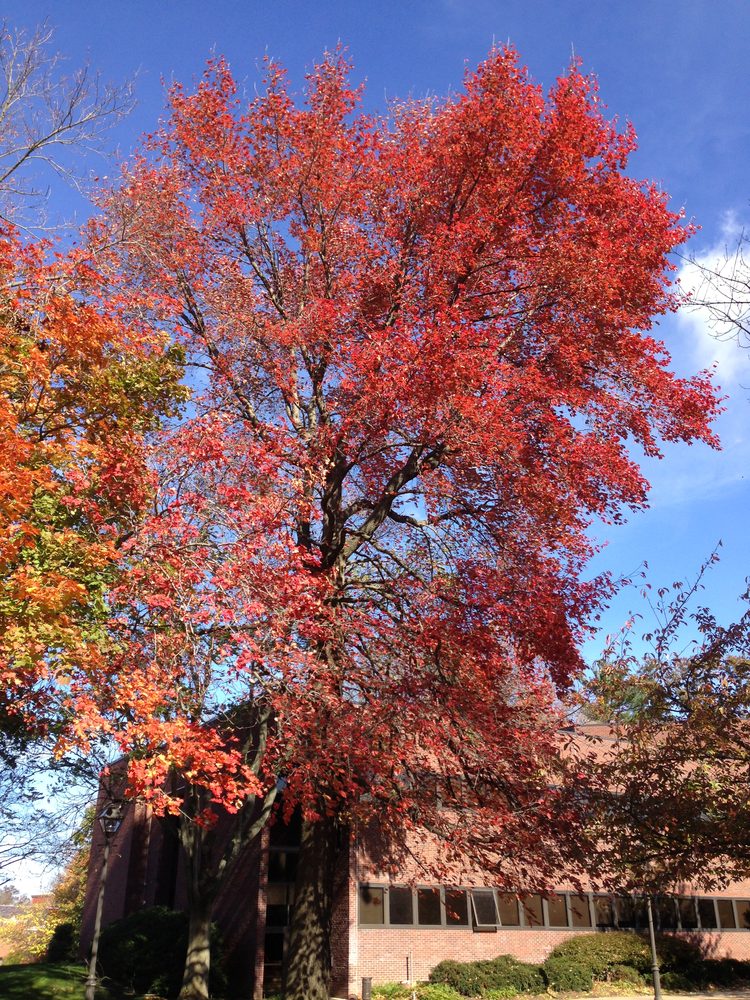
General Description
Nyssa sylvatica, commonly known as tupelo, black tupelo, black gum or sour gum, is a medium-sized deciduous tree native to eastern North America from the coastal Northeastern United States and southern Ontario south to central Florida and eastern Texas, as well as Mexico.
Family Context
The Cornaceae family is widely distributed. Notable medicinal members include:
- Chinese Dogwood — 25 documented uses
- American Dogwood — 15 documented uses
- Cornus macrophylla — 3 documented uses
- Japanese Aucuba — 2 documented uses
Geographic Distribution
Black Gum has been recorded in 10 countries and territories worldwide, including Australia, Belgium, Canada, Germany, United Kingdom, and others.
Traditional Uses
Black Gum has been traditionally used for immune system support.
Immune system support.
- Cancer
Immune support involves taking the herb as a decoction or tincture over extended periods. The active compounds stimulate immune cell activity and provide antimicrobial protection.
Active Compounds
Phytochemical research has identified 27 compounds in this species, including a diverse array of phytochemical classes (see the Complete Chemical Inventory below for the full list).