Botanical Overview
Morinda (Morinda sp) belongs to the Rubiaceae family. While not among the most extensively documented medicinal plants, this species has recorded uses that warrant attention from researchers and practitioners. The coffee family (Rubiaceae) includes trees, shrubs, and herbs with opposite leaves and interpetiolar stipules. The flowers are typically tubular with four or five petals. The family includes coffee (Coffea), quinine-producing Cinchona, and numerous other medicinal species with alkaloid constituents.
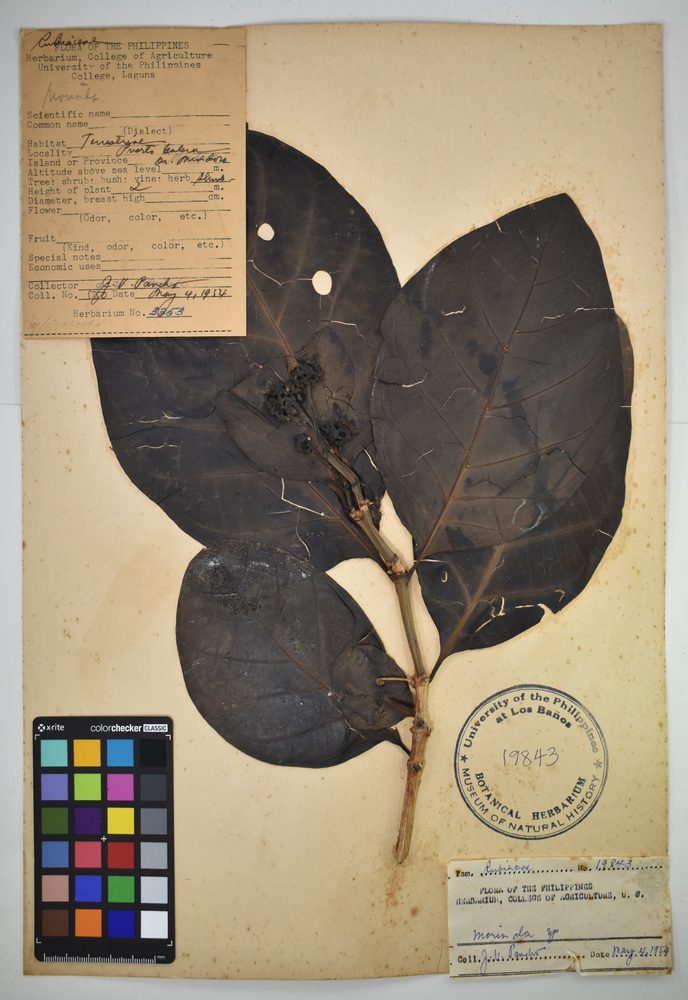
Family Context
The Rubiaceae family is large and primarily tropical. Notable medicinal members include:
- Indian Mulberry — 56 documented uses
- Madder — 41 documented uses
- Gardenia — 34 documented uses
- Lojabark — 32 documented uses
Traditional Uses
Morinda has been traditionally used for respiratory conditions, pain and inflammation, and fever management.
Respiratory conditions.
- Cold
Respiratory conditions are addressed through steam inhalation of the herb’s vapors or internal use as a warm tea. The hot infusion acts as an expectorant, helping to loosen phlegm and clear congestion. Some traditions combine it with honey for coughs.
Pain and inflammation.
- Ache(Head)
- Anodyne
- Neuralgia
For pain and inflammation, preparations are applied both topically as compresses and taken internally. A warm poultice draws blood to the area and promotes healing, while internal preparations address systemic inflammation.
Fever management.
- Malaria
Febrifuge preparations are typically administered as hot teas to induce perspiration, which helps the body regulate temperature. The patient is kept warm and encouraged to rest while the herb promotes sweating.
Active Compounds
Phytochemical research has identified 9 compounds in this species, including a diverse array of phytochemical classes (see the Complete Chemical Inventory below for the full list).