Botanical Overview
Aninga (Montrichardia arborescens) belongs to the Araceae family. While not among the most extensively documented medicinal plants, this species has recorded uses that warrant attention from researchers and practitioners. The arum family (Araceae) includes herbs, climbers, and aquatics with a distinctive inflorescence consisting of a fleshy spike (spadix) surrounded by a modified leaf (spathe). Many species produce calcium oxalate crystals and acrid compounds that cause intense irritation. Despite this, several are used medicinally after proper preparation.
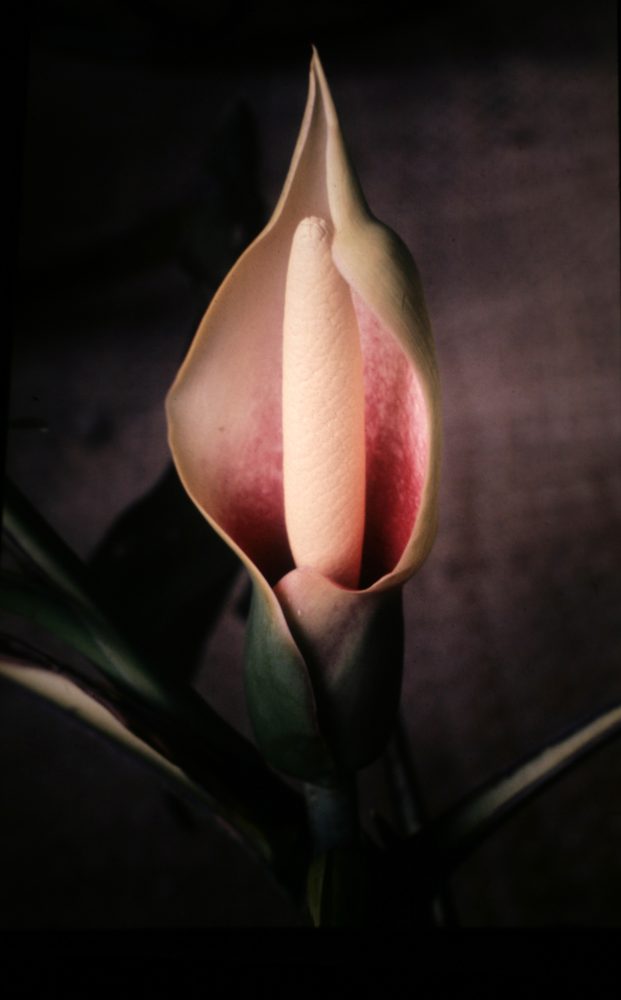
General Description
They consist of arrow shaped leaves that are food sources for some animal species. The plant produces inflorescences which then leave a fruit of Montrichardia arborescens which is edible and can be cooked. Its fruiting spadices produces large infructescences, which contain about 80 edible yellow fruit.
Family Context
The Araceae family is widely distributed. Notable medicinal members include:
- Jack-In-The-Pulpit — 34 documented uses
- Taro — 34 documented uses
- Skunk Cabbage — 33 documented uses
- Dumbcane — 27 documented uses
Geographic Distribution
Aninga has been recorded in 10 countries and territories worldwide, including Brazil, Belize, Colombia, Costa Rica, French Guiana, and others.
Traditional Uses
Aninga has been traditionally used for skin and wound care, urinary tract health, and pain and inflammation.
Skin and wound care.
- Abscess
- Boil
- Sore
- Ulcer
For skin conditions, the fresh or dried plant is applied topically as a poultice, wash, or compress. A strong decoction can be used to clean wounds and sores. The antimicrobial properties help prevent infection while promoting tissue repair.
Urinary tract health.
- Diuretic
Urinary tract applications typically involve drinking the herb as a mild tea, which increases urine production and helps flush the urinary system. It may be combined with other demulcent herbs to soothe irritated tissues.
Pain and inflammation.
- Gout
For pain and inflammation, preparations are applied both topically as compresses and taken internally. A warm poultice draws blood to the area and promotes healing, while internal preparations address systemic inflammation.