Botanical Overview
Clinopod Bergamot (Monarda clinopodia) is a species in the Lamiaceae family. The mint family (Lamiaceae) includes aromatic herbs and shrubs with square stems, opposite leaves, and two-lipped flowers. Many species produce essential oils in glandular trichomes on their leaves and stems. This family is one of the most important sources of culinary and medicinal herbs worldwide. Although comprehensive ethnobotanical records are limited, phytochemical studies have identified 15 compounds in this species, suggesting potential medicinal value.
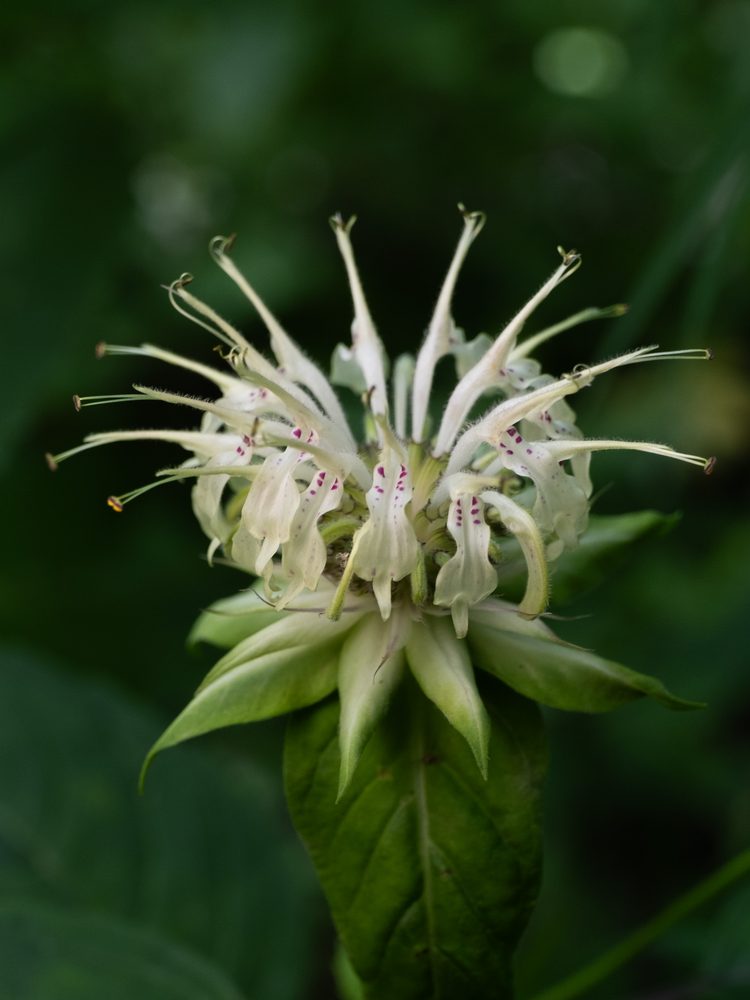
General Description
This species is native to North America, ranging north from New York, west to Missouri, and south to Georgia and Alabama. M. clinopodia has also been introduced into Vermont and Massachusetts.
Family Context
The Lamiaceae family is large and widely distributed. Notable medicinal members include:
- Basil — 86 documented uses
- Rosemary — 60 documented uses
- Agbo — 54 documented uses
- Sage — 49 documented uses
Geographic Distribution
Clinopod Bergamot has been recorded in 7 countries and territories worldwide, including Belgium, Canada, Germany, Spain, Russia, and others.
Active Compounds
Phytochemical research has identified 15 compounds in this species, including a diverse array of phytochemical classes (see the Complete Chemical Inventory below for the full list).
The identified compounds include the following categories:
- Alkaloid: nitrogenous compounds with diverse pharmacological activities
Research Status
Although this species has documented phytochemical constituents, its ethnobotanical and clinical documentation remains incomplete. Further ethnobotanical and pharmacological research may reveal additional therapeutic applications for this species.