Botanical Overview
Kratum (Mitragyna speciosa) belongs to the Rubiaceae family. Limited but reliable traditional records indicate this plant has recognized medicinal applications in one or more healing traditions. The coffee family (Rubiaceae) includes trees, shrubs, and herbs with opposite leaves and interpetiolar stipules. The flowers are typically tubular with four or five petals. The family includes coffee (Coffea), quinine-producing Cinchona, and numerous other medicinal species with alkaloid constituents.
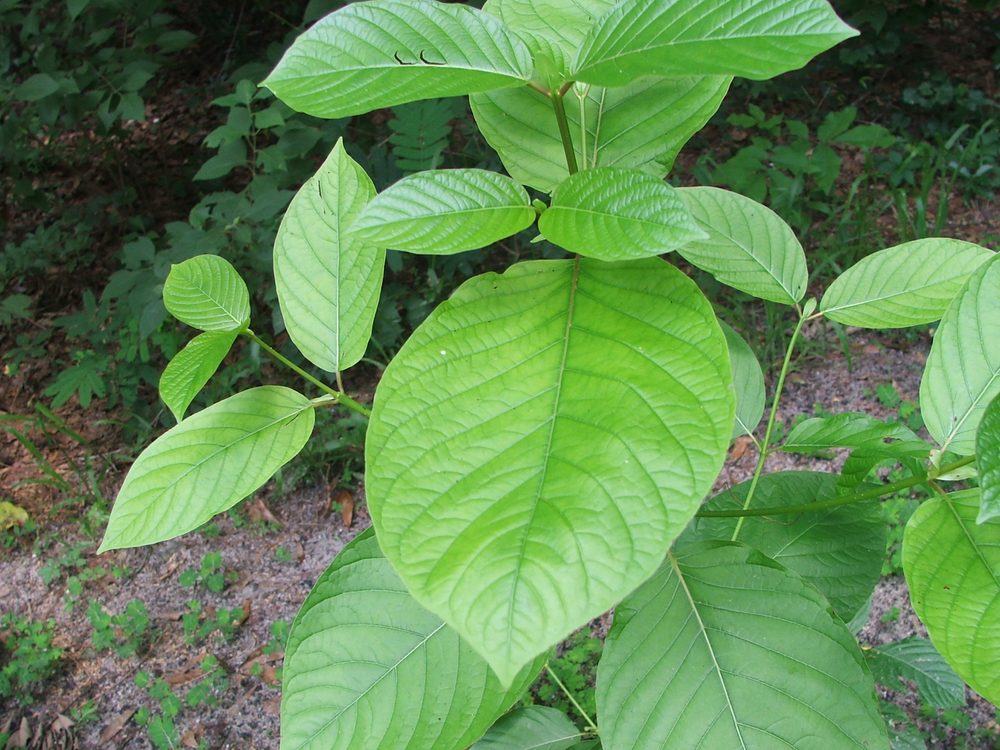
General Description
It is indigenous to Cambodia, Thailand, Indonesia, Malaysia, Myanmar, and Papua New Guinea, where its dark green, glossy leaves, known as kratom, have been used in herbal medicine since at least the 19th century. They have also historically been consumed via chewing, smoking, and as a tea. Kratom contains multiple alkaloids (primarily, mitragynine and to a lesser extent, 7-hydroxymitragynine) that bind to opioid receptors, mostly as partial μ-opioid agonists. Kratom can also be subjectively stimulating to some, though this is likely not achieved through typical stimulant mechanisms (such as reuptake inhibition or release of monoamines), nor is this a universal effect. The efficacy and safety of kratom are unclear. In 2019, the United States Food and Drug Administration (FDA) stated that there is no evidence that kratom is safe or effective for treating any condition. Kratom has been used for managing chronic pain, for treating opioid withdrawal symptoms, or for recreational purposes. It is under preliminary research for possible antipsychotic and antidepressant properties. Kratom use has not been shown to positively affect mental health. Anecdotal reports describe increased alertness, physical energy, talkativeness, sociability, sedation, changes in mood, and pain relief following kratom use at various doses. Common side effects include appetite loss, erectile dysfunction, nausea and constipation. More severe side-effects may include respiratory depression (decreased breathing), seizure, psychosis, elevated heart rate and blood pressure, trouble sleeping, and liver injury. Addiction is a possible risk with regular use: when use is stopped, withdrawal symptoms may occur. Serious toxicity is relatively rare and generally appears at high doses or when kratom is used with other substances. A small number of deaths have been connected to the use of kratom, most commonly when mixed with other substances. As of 2018, kratom is a controlled substance in sixteen countries. Some countries, like Indonesia and Thailand, have recently moved toward regulated legal production for medical use. There is growing international concern about a possible threat to public health from kratom use. In some jurisdictions its sale and importation have been restricted, and several public health authorities have raised alerts.
Family Context
The Rubiaceae family is large and primarily tropical. Notable medicinal members include:
- Indian Mulberry — 56 documented uses
- Madder — 41 documented uses
- Gardenia — 34 documented uses
- Lojabark — 32 documented uses
Geographic Distribution
Kratum has been recorded in 8 countries and territories worldwide, including Indonesia, Malaysia, Nigeria, Papua New Guinea, Philippines, and others.
Traditional Uses
Kratum has been traditionally used for digestive health, skin and wound care, and nervous system disorders, among other applications.
Digestive health.
- Vermifuge
For digestive complaints, the herb is typically prepared as a tea or decoction taken before meals. The bitter compounds stimulate digestive secretions and improve nutrient absorption. Some traditions use the powdered root or leaves in small doses as a stomachic tonic.
Skin and wound care.
- Wound
For skin conditions, the fresh or dried plant is applied topically as a poultice, wash, or compress. A strong decoction can be used to clean wounds and sores. The antimicrobial properties help prevent infection while promoting tissue repair.
Nervous system disorders.
- Narcotic
- Sedative
Nervous system support involves taking the herb as a warm tea, often in the evening or before bed. The calming compounds interact with neurotransmitter systems to promote relaxation and restful sleep.
Active Compounds
Phytochemical research has identified 24 compounds in this species, including a diverse array of phytochemical classes (see the Complete Chemical Inventory below for the full list).
The identified compounds include the following categories:
- Phenolic: antioxidant compounds that neutralize free radicals
- Alkaloid: nitrogenous compounds with diverse pharmacological activities