Botanical Overview
Miso (Mirabilis expansa) is a species in the Nyctaginaceae family. This species belongs to the Nyctaginaceae family, a group of flowering plants. Although comprehensive ethnobotanical records are limited, phytochemical studies have identified 6 compounds in this species, suggesting potential medicinal value.
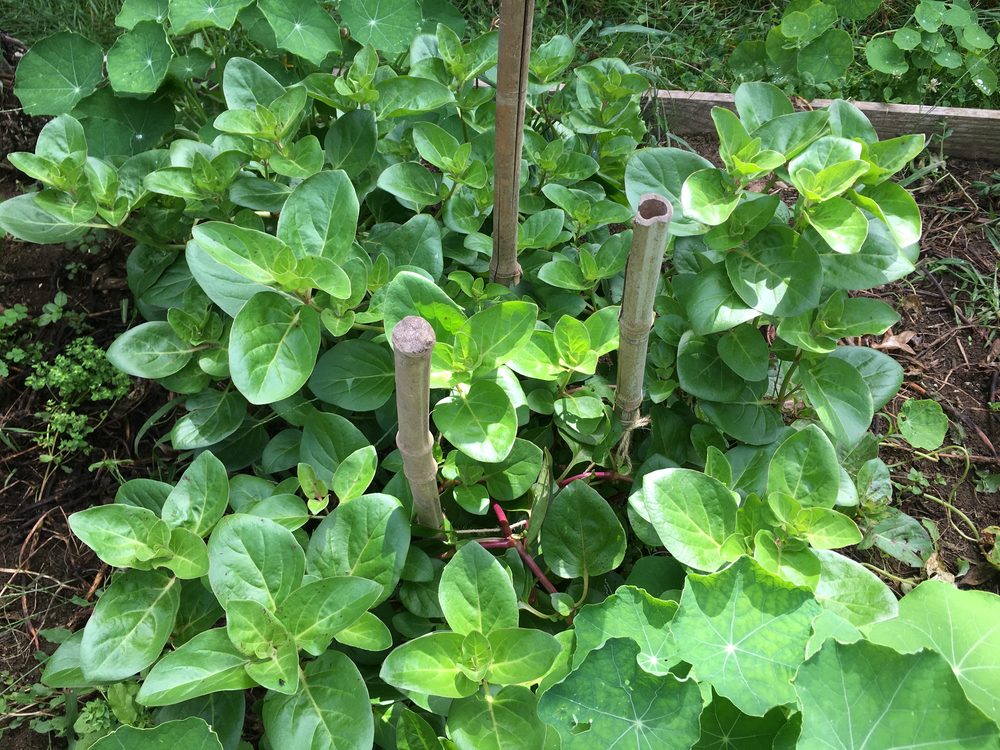
General Description
It is cultivated as a root vegetable in the Andes, at cold, windy altitudes between 2,200 m (7,200 ft) and 3,500 m (11,500 ft). The above-ground portion dies back with frost, but the root is quite hardy. The roots can reach the size of a man’s forearm, and yields can reach 50,000 kg/ha (45,000 lb/acre) given two years maturation time. It is considered to be an underutilized crop, and has received interest for its ability to grow in conditions that do not favor other root crops. The Andean region is considered one of the most important places for crop development and diversification.
Family Context
The Nyctaginaceae family is widely distributed. Notable medicinal members include:
- Four-o-clock — 34 documented uses
Geographic Distribution
Miso has been recorded in 9 countries and territories worldwide, including Argentina, Bolivia, Chile, Colombia, Ecuador, and others.
Active Compounds
Phytochemical research has identified 6 compounds in this species, including a diverse array of phytochemical classes (see the Complete Chemical Inventory below for the full list).
Research Status
Although this species has documented phytochemical constituents, its ethnobotanical and clinical documentation remains incomplete. Systematic pharmacological studies are needed to validate the traditional uses attributed to this species.