Botanical Overview
Jurema (Mimosa hostilis) is a species in the Fabaceae family. The legume family (Fabaceae) includes trees, shrubs, and herbs that produce pods (legumes) and form nitrogen-fixing root nodules through symbiosis with bacteria. The flowers are typically pea-shaped with five petals. This large family provides food staples, timber, and numerous medicinal species. Although comprehensive ethnobotanical records are limited, phytochemical studies have identified 7 compounds in this species, suggesting potential medicinal value.
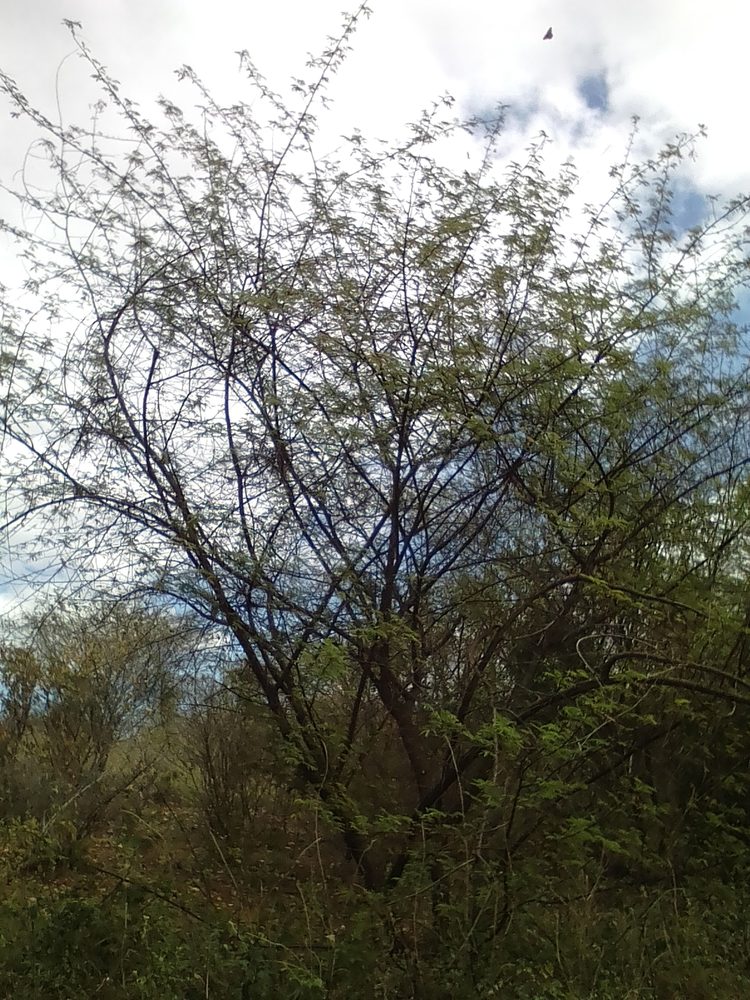
General Description
Mimosa hostilis, also known as jurema preta, calumbi (Brazil), tepezcohuite (México), carbonal, cabrera, jurema, black jurema, and binho de jurema, is a perennial tree or shrub native to the northeastern region of Brazil and found as far north as southern Mexico, and the following countries: El Salvador, Honduras, Panama, Colombia and Venezuela. It is most often found in lower altitudes, but it can be found as high as 1,000 m (3,300 ft).
Family Context
The Fabaceae family is large and globally distributed. Notable medicinal members include:
- Soybean — 76 documented uses
- Crab’s Eye — 73 documented uses
- Tamarind — 59 documented uses
- Common Indigo — 51 documented uses
Geographic Distribution
Jurema has been recorded in , and Brazil.
Active Compounds
Phytochemical research has identified 7 compounds in this species, including a diverse array of phytochemical classes (see the Complete Chemical Inventory below for the full list).
The identified compounds include the following categories:
- Alkaloid: nitrogenous compounds with diverse pharmacological activities
Research Status
Although this species has documented phytochemical constituents, its ethnobotanical and clinical documentation remains incomplete. The limited documentation available for this species represents an opportunity for ethnobotanical research.