Botanical Overview
Annual Mercury (Mercurialis annua) belongs to the Euphorbiaceae family. Limited but reliable traditional records indicate this plant has recognized medicinal applications in one or more healing traditions. The spurge family (Euphorbiaceae) includes an extremely diverse group of plants ranging from small herbs to large trees, many with milky sap that can be irritating or toxic. The flowers are typically small and unisexual, often arranged in distinctive inflorescences. Many species contain diterpene esters and other bioactive compounds.
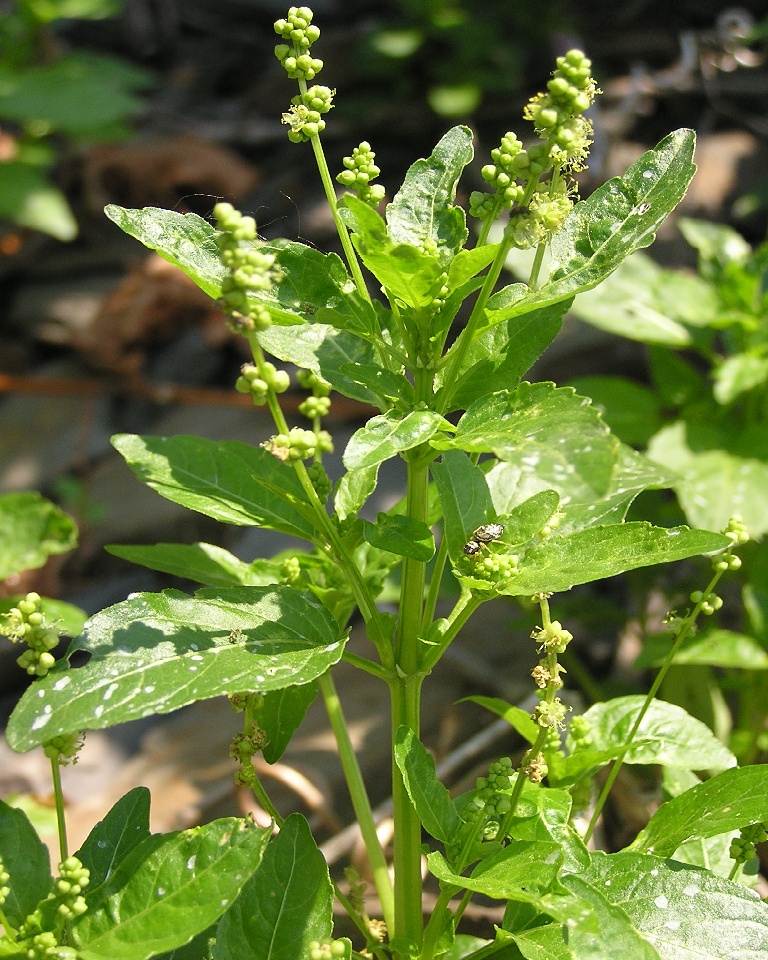
General Description
It is native to the Middle East and the Mediterranean region, where it grows on bare, sandy soils. Its seeds are dispersed by harvester ants, which remove an oily coating that delays germination. In recent centuries, annual mercury has spread to northern Europe and many other parts of the world as an agricultural and urban weed. It has been studied for its complex genetics and breeding system. The name is from the Roman god Mercury, due to its association with fertility.
Family Context
The Euphorbiaceae family is large and globally distributed. Notable medicinal members include:
- Castorbean — 105 documented uses
- Physic Nut — 95 documented uses
- Queensland Asthma Herb — 53 documented uses
- Spanish Physic Nut — 45 documented uses
Geographic Distribution
Annual Mercury has been recorded in 10 countries and territories worldwide, including Belgium, Switzerland, Germany, Spain, France, and others.
Traditional Uses
Annual Mercury has been traditionally used for digestive health, urinary tract health, and reproductive health, among other applications.
Digestive health.
- Purgative
- Laxative
- Vermifuge
For digestive complaints, the herb is typically prepared as a tea or decoction taken before meals. The bitter compounds stimulate digestive secretions and improve nutrient absorption. Some traditions use the powdered root or leaves in small doses as a stomachic tonic.
Urinary tract health.
- Diuretic
Urinary tract applications typically involve drinking the herb as a mild tea, which increases urine production and helps flush the urinary system. It may be combined with other demulcent herbs to soothe irritated tissues.
Reproductive health.
- Emmenagogue
In traditional contexts, reproductive health applications typically involve internal preparations such as teas or decoctions. The herb may be taken at specific times during the menstrual cycle.
Active Compounds
Phytochemical research has identified 20 compounds in this species, including a diverse array of phytochemical classes (see the Complete Chemical Inventory below for the full list).
The identified compounds include the following categories:
- Flavonoid: antioxidant compounds that protect cells from oxidative damage
- Alkaloid: nitrogenous compounds with diverse pharmacological activities
- Tannin: astringent compounds that tighten tissues and resist infection