Botanical Overview
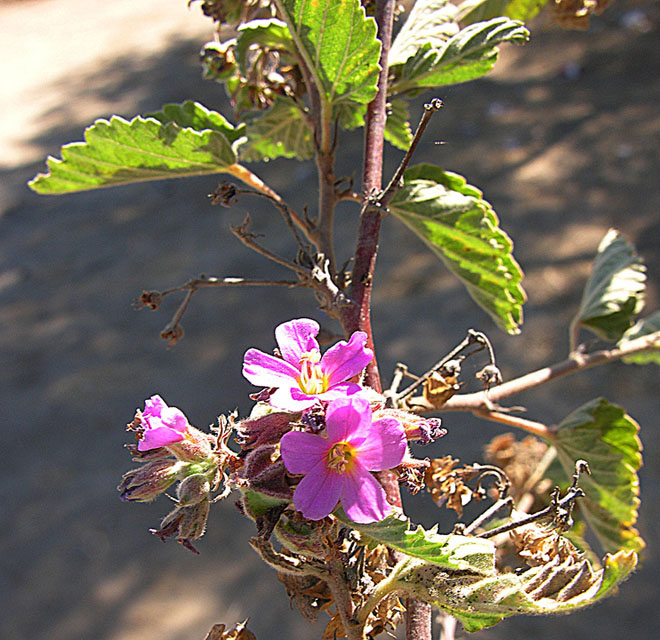
Raichie (Melochia tomentosa) belongs to the Sterculiaceae family. While not among the most extensively documented medicinal plants, this species has recorded uses that warrant attention from researchers and practitioners. The sterculia family (Sterculiaceae) includes trees and shrubs with alternate leaves, often with stellate hairs. The flowers have five sepals and petals, and the fruits are typically capsules or follicles. Many species produce mucilaginous substances and have traditional uses as demulcents.
Family Context
The Sterculiaceae family is widely distributed. Notable medicinal members include:
- Bay Cedar — 30 documented uses
- Cacao — 22 documented uses
- Raichie — 16 documented uses
- Pterospermum acerifolium — 14 documented uses
Geographic Distribution
Raichie has been recorded in 10 countries and territories worldwide, including BQ, Brazil, Bahamas, Colombia, Curacao, and others.
Traditional Uses
Raichie has been traditionally used for metabolic and nutritional health.
Metabolic and nutritional health.
- Refrigerant
Metabolic applications include consuming the plant as a food, fresh juice, or herbal infusion. Regular use supports the body’s natural metabolic processes and nutritional status.
Active Compounds
Phytochemical research has identified 3 compounds in this species: melochinone, melosatin-a, melosatin-b.